
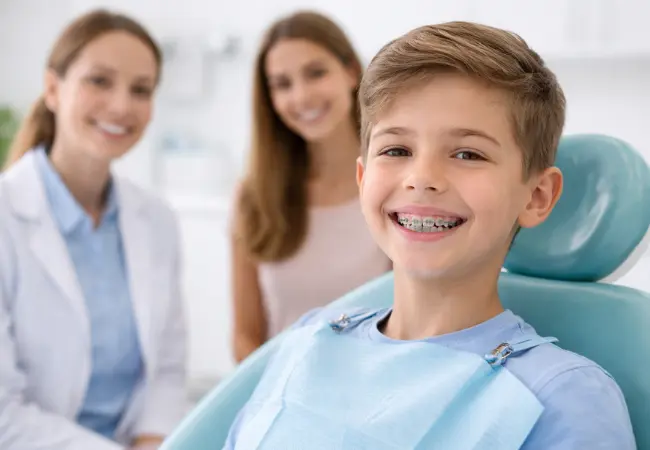
When you first hear that your child may need braces, it can feel overwhelming. You may wonder if it is too early, if it will hurt, how long it will take, and how it will affect your child emotionally. If you are searching for braces for your child, you are likely trying to make the best decision for their health and confidence.
This guide walks you through everything you need to know about kids’ braces. You will learn when to start, what types of braces exist, how to care for your child during treatment, and how to support them at home.
You will also see how Stadium Dental helps families make orthodontic care a positive experience.
Why Kids Need Braces
You may think braces only straighten crooked teeth. In reality, braces for kids correct much more than appearance.
Braces help:
- Align crowded or overlapping teeth
- Correct bite problems
- Guide jaw development
- Improve chewing and speech
- Reduce the risk of future dental issues
When you address alignment early, you often prevent more serious problems later.
When Should You Get Your Child Evaluated
Most children benefit from an orthodontic evaluation around the age of seven. This does not always mean your child will start braces immediately. It just means that the dentist can monitor growth and plan ahead.
Early evaluation helps:
- Identify crowding early
- Guide jaw growth
- Reduce the chance of extractions later
- Shorten total treatment time
At Stadium Dental, early assessments help you understand what is coming so you can prepare with confidence.
Signs Your Child May Need Braces
You may notice:
- Crooked or crowded teeth
- Difficulty biting or chewing
- Early or late loss of baby teeth
- Mouth breathing
- Thumb sucking beyond early childhood
- Jaws that shift or click
If you see any of these signs, a dental evaluation can clarify whether braces are needed.
Types of Braces for Kids
You have several options when it comes to braces for your children. Your dentist will recommend the best type based on your child’s needs.
Traditional Metal Braces
These are the most common braces for kids.
Benefits:
- Strong and durable
- Effective for complex alignment issues
- Often, the most affordable option
Ceramic Braces
Ceramic braces work like metal braces but use tooth coloured brackets.
Benefits:
- Less noticeable
- Effective for many cases
Considerations:
- Slightly more fragile
- Usually cost more than metal braces
Clear Aligners for Older Kids and Teens
Some older children qualify for clear aligners.
Benefits:
- Removable
- Easier to clean
- Less visible
Considerations:
- Must be worn consistently
- Not suitable for all cases
What Happens at the First Orthodontic Visit
You may worry that the first visit will be uncomfortable for your child. In reality, it is usually relaxed and informative.
The first visit includes:
- Photos and X-rays
- Bite evaluation
- Growth assessment
- Treatment discussion
No treatment starts that day. The goal is to plan and answer your questions.
How Braces Feel for Kids
Your child may feel pressure or soreness for a few days after braces are placed. This is normal and temporary.
You can help by:
- Offering soft foods
- Encouraging gentle brushing
- Providing reassurance
- Reminding your child that it will pass
Daily Care With Braces
Daily care plays a huge role in treatment success.
You should help your child:
- Brush after every meal when possible
- Floss daily using floss threaders
- Use interdental brushes to clean around brackets
- Rinse with fluoride mouthwash
Good habits prevent cavities and white spots.
Foods to Avoid With Braces
Certain foods can damage braces.
You should avoid:
- Hard candies
- Sticky gummies
- Popcorn
- Chewing ice
- Biting into whole apples
Cut food into small pieces and choose softer options to protect brackets.
Supporting Your Child Emotionally
Braces can affect how your child feels about their appearance.
You can support them by:
- Talking openly about their feelings
- Sharing positive stories
- Celebrating progress
- Keeping the experience normal and calm
Most children gain confidence once they see results.
How Long Do Kids Wear Braces
Treatment length varies, but most kids wear braces between 12 and 24 months.
It depends on:
- Severity of alignment issues
- Growth patterns
- How well instructions are followed
Wearing elastics and keeping good hygiene help shorten treatment time.
What Happens After Braces Come Off
When braces come off, retainers begin.
Retainers:
- Hold teeth in place
- Prevent shifting
- Protect treatment results
You should encourage your child to wear their retainer exactly as instructed.
Why Choose Stadium Dental for Your Child
You want a dental team that:
- Explains everything clearly
- Is a patient with children
- Focuses on prevention
- Does not rush decisions
Here at Stadium Dental, our team always takes time to help you understand every option that you may consider and support your child through every stage of treatment.
Frequently Asked Questions About Braces for Kids
Do braces hurt kids?
Most children are evaluated around age seven, but treatment timing depends on individual development.
How long do kids usually wear braces?
Braces may cause mild soreness at first, but most children adjust within a few days.
Are braces only cosmetic for kids?
Treatment often lasts between 12 and 24 months, depending on the case.
Can kids play sports with braces?
No. Braces improve bite, jaw alignment, chewing, and long-term dental health.
Conclusion:
Choosing braces for kids is a big decision, but you do not have to face it alone. When you understand timing, care routines, and emotional support, you set your child up for success. With the right guidance from us here at Stadium Dental, braces for your kids can be a positive and confidence-building experience.