
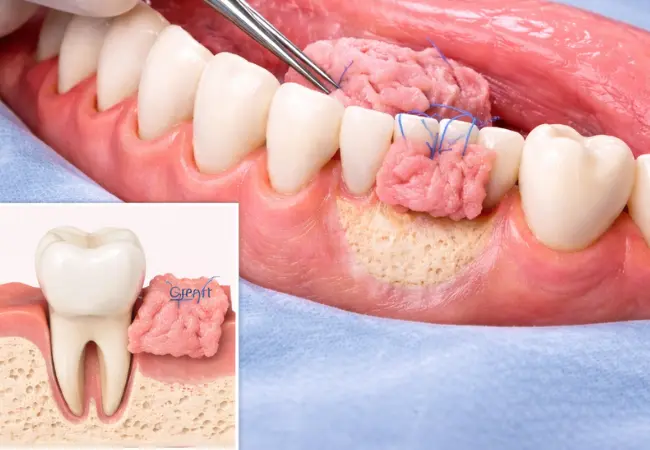
Healthy gums protect tooth roots, support your bite, and help keep bacteria from settling below the gumline. When gums become inflamed, infected, or start to recede, treatment is not just cosmetic. It can prevent sensitivity, reduce infection risk, and help protect bone support over time.
This guide explains common gum treatments, when grafting is recommended, and what to expect before and after the procedure.
Common Reasons People Need Gum Treatment
Gum treatment is usually recommended when one or more of these are present:
- Bleeding gums during brushing or flossing
- Gum swelling, redness, or tenderness
- Persistent bad breath or bad taste
- Gum recession (teeth look longer)
- Sensitivity near the gumline, especially to cold
- Gum pockets (spaces that trap bacteria)
- Bone loss seen on X-rays
- Thin gum tissue that is prone to recession
Gum Treatment Options Before Grafting
Not everyone needs grafting right away. Many patients start with infection control and inflammation reduction.
1) Professional cleaning and home-care coaching
If symptoms are early, a routine cleaning plus improved daily cleaning can often help.
2) Deep cleaning (scaling and root planing)
This removes tartar and bacteria below the gumline. It is a common first step for gum pockets and early periodontitis.
3) Periodontal maintenance
If you have had gum disease, your dentist may recommend more frequent cleanings, often every 3 to 4 months, to keep bacteria under control.
4) Localized antibacterial therapy
Some cases benefit from medication placed into deeper areas after cleaning, depending on pocket depth and inflammation.
5) Address contributing causes
Your plan may include:
- Fixing brushing technique (gentle, soft bristles)
- Managing grinding with a night guard
- Tobacco cessation support
- Dry mouth management
- Diabetes control support in coordination with your physician
What Is Gum Grafting?
A gum graft is a procedure that adds or reinforces gum tissue in areas where gums are thin or have receded. The goal is to protect exposed roots, reduce sensitivity, and improve long-term gum stability.
When grafting is commonly recommended
- Recession that exposes root surfaces
- Ongoing sensitivity that does not improve
- High risk of further recession due to thin tissue
- Gum recession around orthodontic movement
- Recession that makes cleaning difficult or uncomfortable
Types of Gum Grafts
Your dentist or periodontist will recommend the approach based on tissue thickness, location, and goals.
Connective tissue graft
Often used for recession coverage. Tissue is placed to thicken the gum and cover exposed roots.
Free gingival graft
Often used to increase the amount of firm gum tissue, especially where gums are very thin.
Donor tissue graft (allograft)
In some cases, processed donor tissue is used rather than harvesting tissue from the palate. This can reduce discomfort in select situations.
What to Expect During Gum Grafting
Most patients do well with local anesthesia. Depending on your needs, sedation may also be available.
A typical process includes:
- Measuring recession and checking gum thickness
- Reviewing risk factors like brushing habits, grinding, smoking, and diabetes
- Planning the graft type and number of sites
- Performing the procedure with anesthesia
- Providing aftercare instructions and follow-up visits
Recovery and Aftercare
Healing varies by graft type and the number of areas treated.
Common recovery timeline (general guide)
- First 24 to 72 hours: mild swelling, tenderness, careful eating
- First 1 to 2 weeks: tissue begins stabilizing, avoid pulling the lip to “check it”
- Weeks 3 to 6: continued strengthening, gradual return to normal brushing in the area
- Beyond 6 weeks: long-term maturation, final appearance continues improving
Tips that support healing
- Stick to soft foods early
- Avoid smoking, it significantly slows healing
- Use any prescribed rinse as directed
- Do not brush the graft site until your dentist says it is safe
- Keep follow-up appointments so healing can be monitored
How to Prevent Recession After Treatment
Long-term success depends on removing the cause.
- Use a soft toothbrush and gentle pressure
- Angle bristles toward the gumline, not straight down on the gums
- Clean between teeth daily
- Treat grinding if present
- Maintain periodontal cleanings if you have a history of gum disease
- Ask about orthodontic or bite factors if recession is recurring
FAQs: Gum Treatment and Grafting
Is gum grafting painful?
Most patients describe it as manageable. Local anesthesia prevents pain during treatment, and soreness afterward is usually controlled with instructions and recommended medications.
Will a gum graft stop sensitivity?
It often helps, especially when roots are exposed. Sensitivity can also be influenced by enamel wear or grinding, so a full evaluation matters.
Can gums grow back without grafting?
If recession is present, gums typically do not grow back on their own. Treatment focuses on stabilizing and protecting the area.
How long do gum grafts last?
Many grafts are long-lasting when home care and risk factors are managed.
Call to Action
If you notice bleeding, recession, or sensitivity near the gumline, schedule a gum health evaluation. Early treatment can prevent deeper pockets and reduce the need for complex procedures later.