
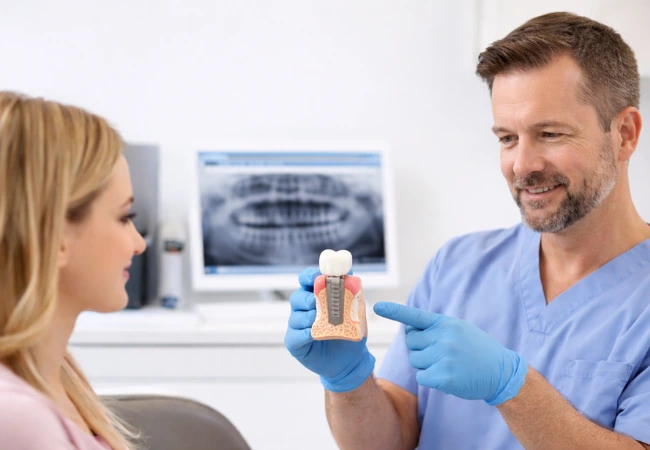
If you are missing one or more teeth, you have probably asked yourself this question: what is the best dental procedure for missing teeth? It is a fair question, but the answer is not the same for everyone. The best option depends on how many teeth you are missing, where the gap is, the condition of your gums and jawbone, your budget, and whether you want something fixed or removable. In general, the main treatment options are dental implants, bridges, and dentures.
Missing teeth are not only a cosmetic issue. Tooth loss can affect your ability to eat comfortably, speak clearly, and feel confident about your smile. It can also lower your overall quality of life. That is why replacing missing teeth matters. The right treatment can help restore function, improve comfort, and support your long-term oral health.
Why replacing missing teeth matters
You may be tempted to ignore one missing tooth, especially if it is not visible when you smile. That is usually a mistake. When a tooth is missing, the gap can affect more than appearance. You may chew differently, put extra pressure on nearby teeth, or find certain foods harder to eat. Missing teeth can also affect the way your bite works and how comfortable your mouth feels from day to day. Tooth loss has been linked to poor diet, difficulty speaking, low self-esteem, and reduced quality of life.
So when you think about the best dental procedure for missing teeth, the better question is not just what looks best. It is what restores function, feels comfortable, and fits your long-term needs.
Dental implants are often the best long-term option
If you want the most direct answer, dental implants are often considered the best long-term procedure for missing teeth, especially if you want a solution that functions most like a natural tooth.
Dental implants are widely described as a popular and effective way to replace missing teeth, and one source aimed at patient education specifically describes them as the option most similar to a natural tooth. They are placed into the jaw and, once healed, can support a crown, bridge, or other restoration. That is why implants often come up first when people search phrases like best way to replace a missing tooth, best tooth replacement option, or dental implants vs bridge.
Why implants are often preferred
One of the biggest reasons implants are often preferred is that they do not rely on the neighboring teeth the way a traditional bridge does. They replace the missing tooth more independently, which can be a better long-term approach if the adjacent teeth are otherwise healthy. They may also help preserve chewing function and overall oral health.
If you are missing one tooth and want the replacement that feels and functions most like a natural tooth, an implant is often the strongest option.
When implants may not be the best fit
That does not mean implants are the best answer for every person. Implants usually involve oral surgery, a healing period, and a higher upfront cost than some alternatives. They also require that your gums and supporting bones are healthy enough for treatment. In some cases, another option may make more sense based on your health, your timeline, or your budget.
So the best answer is not “implants for everyone.” The better answer is “implants for the right candidate.”
Dental bridges can be a strong option for some patients
A dental bridge is another common way to replace one or a few missing teeth. A bridge fills the gap using an artificial tooth supported by the teeth on either side. Bridges are generally fixed in place and can restore chewing function, appearance, and oral function.
A bridge can be a good option if you want a fixed solution but do not want implant surgery, or if the neighboring teeth already need crowns and can reasonably support the restoration.
When a bridge may make sense
A bridge may be the best choice if you are missing one to three teeth in a row and want something non-removable without the surgical process of implants. Some patient guidance specifically notes that bridges work best in that kind of situation.
The tradeoff with bridges
The main tradeoff is that a traditional bridge depends on the adjacent teeth for support. That means those teeth may need to be reshaped. If those teeth are healthy, some people prefer an implant because it leaves the neighboring teeth untouched. So if you are comparing bridge vs implant, the bridge may win on simplicity or upfront cost, while the implant may win on independence and long-term structure.
Dentures may be the best option when many teeth are missing
If you are missing many teeth, or all teeth in the upper or lower arch, dentures may be the best practical solution.
Dentures remain a common option for replacing all or most of your teeth, and partial dentures can be used when some natural teeth remain. They can restore appearance and improve function, especially when replacing a larger number of missing teeth.
If your main goal is replacing many missing teeth in a more budget-conscious way, dentures may be the most realistic fit.
When dentures are often the best fit
Dentures may make sense if you are missing most or all of your teeth, or if you want a removable solution that can restore your smile without the higher cost of placing multiple implants. In some cases, implant-supported dentures may also be considered to improve stability. Dentures are not usually described as the most natural-feeling option, but they remain a valid and important treatment for many people.
Missing Teeth Treatment at Stadium Dental
If you are missing one or more teeth, here at Stadium Dental, we offer different treatment options to help you restore your smile. These may include dental implants, bridges, dentures, and crowns. This will give you the chance to find the option that works best for your needs, comfort, and budget.
Wel also makes the process easier by offering modern dental technology, direct billing, and a convenient Downtown Vancouver location. If you are looking for help with missing teeth, the team at Stadium Dental can help you explore the right treatment for your smile.
FAQ: Best Dental Procedure for Missing Teeth
What is the best dental procedure for missing teeth?
In many cases, dental implants are considered the best long-term option because they are designed to function most like natural teeth. But bridges and dentures may be better choices depending on how many teeth are missing, your oral health, and your budget.
Are dental implants better than bridges?
Often, yes, especially for a single missing tooth. Implants do not depend on neighboring teeth for support the way traditional bridges do. But bridges can still be a good option when implant surgery is not ideal or when cost is a major factor.
Are dentures still a good option for missing teeth?
Yes. Dentures are still a common and valid solution, especially if you are missing many teeth or all teeth in an arch. Partial dentures can also help when some natural teeth remain.
What is the best option for one missing tooth?
For one missing tooth, a dental implant is often considered the best option when you want the replacement most similar to a natural tooth.
What is the best option if you are missing several teeth?
That depends on your situation. You may be a candidate for multiple implants, an implant-supported bridge, a traditional bridge, or a partial denture. The best choice depends on your oral health, bone support, and treatment goals.
Can missing teeth affect your quality of life?
Yes. Tooth loss can affect your diet, speech, self-esteem, and overall quality of life.
Conclusion
If you have been searching for the best dental procedure for missing teeth, the strongest general answer is this: dental implants are often the best long-term option, but they are not automatically the best option for every person.
Bridges and dentures still have an important place, and for some people, they may be the more appropriate choice. What matters most is not choosing the option with the strongest marketing. It is choosing the one that fits your mouth, your goals, your comfort level, and your long-term health.