
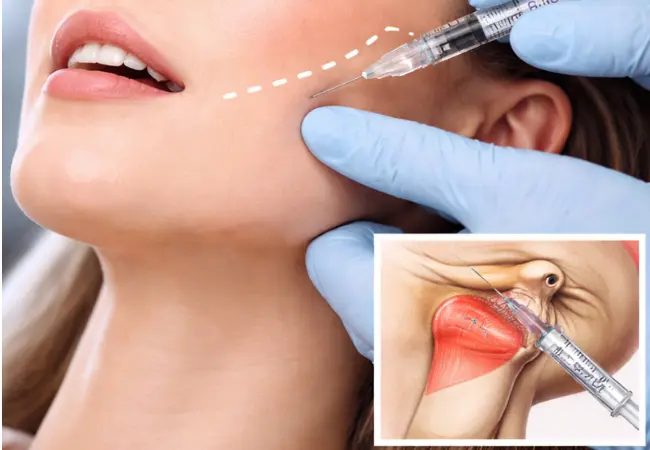
TMJ discomfort is often tied to muscle tension, clenching, and grinding. Some people also experience headaches, jaw fatigue, facial soreness, or limited opening. When muscle overactivity is a major driver, Botox can be a helpful option.
Botox is not a “cure” for every TMJ condition, but it can reduce muscle intensity and give the joint and surrounding tissues a chance to calm down.
What TMJ Symptoms Can Botox Help With?
Botox is most commonly used when symptoms are related to muscle overuse.
It may help with:
- Jaw pain from clenching or grinding
- Morning jaw tightness
- Headaches linked to jaw tension
- Pain near the temples (temporalis muscle tension)
- Enlarged or sore masseter muscles
- Tooth wear related to grinding, alongside a night guard plan
If TMJ pain is caused by arthritis, injury, joint disc issues, or bite instability, treatment may require other approaches, or a combination plan.
How Botox Works for TMJ
Botox reduces the strength of targeted muscles by blocking nerve signals that trigger contraction. In TMJ care, it is typically used in muscles like:
- Masseter (jaw muscle used for chewing and clenching)
- Temporalis (temple area muscle that can contribute to headaches)
- Sometimes other supporting muscles based on assessment
By reducing the intensity of clenching, Botox can:
- decrease muscle pain and fatigue
- lower pressure on the jaw joint
- reduce tension headaches in some patients
- lessen grinding force that contributes to tooth wear
What to Expect From a TMJ Botox Appointment
A clinic typically follows this flow:
- Review symptoms, triggers, and medical history
- Evaluate jaw movement, tenderness, and muscle size
- Confirm whether muscle overactivity is the likely driver
- Perform injections with a fine needle in selected muscles
- Provide aftercare and a follow-up plan
Timing and results
- Some patients notice changes in the first few days
- Many feel clearer improvement in 1 to 2 weeks
- Effects commonly last about 3 to 4 months, but it varies
Benefits, Limits, and Risks
Potential benefits
- Reduced jaw clenching intensity
- Less muscle soreness and tension
- Possible headache improvement
- Support for long-term plans like night guards, stress strategies, and bite management
Limits
- Botox does not correct damaged teeth or bite issues
- It may not help if the main problem is inside the joint itself
- Results are temporary, maintenance is often needed
Possible side effects
- Mild soreness or bruising at injection sites
- Temporary chewing weakness, especially with tougher foods
- Facial asymmetry if dosing is not balanced
- Rare reactions that should be reviewed with your provider
A careful evaluation matters, including discussing pregnancy, neuromuscular conditions, and medication interactions.
Botox vs Night Guards for TMJ
These are often complementary.
- Night guard: protects teeth and can reduce strain patterns, especially during sleep
- Botox: reduces muscle force, which can reduce pain and clenching intensity
For many patients with strong clenching, combining both can provide better protection and symptom relief than either alone.
At-Home Strategies That Work Well With Botox
- Warm compresses for muscle relaxation
- Soft diet during flare-ups
- Stress reduction strategies, especially before sleep
- Avoid chewing gum and hard foods if they trigger symptoms
- Jaw stretching exercises if recommended by your provider
FAQs: Botox for TMJ
Is Botox for TMJ safe?
It is widely used, but safety depends on medical history, dosing, and correct placement. A trained provider should evaluate you first.
Will it change how my face looks?
It can slim a square jaw caused by enlarged masseter muscles in some patients. If appearance changes are a concern, tell your provider so dosing can be planned accordingly.
Does Botox stop grinding completely?
It can reduce the force of grinding but does not always eliminate it. A night guard is still important for tooth protection.
How often do I need it?
Many patients repeat treatment every 3 to 4 months, depending on symptom return and treatment goals.
Call to Action
If jaw pain, clenching, or tension headaches are affecting your sleep or daily comfort, schedule a TMJ assessment. A targeted plan can clarify whether Botox, a night guard, or a combined approach makes the most sense.