
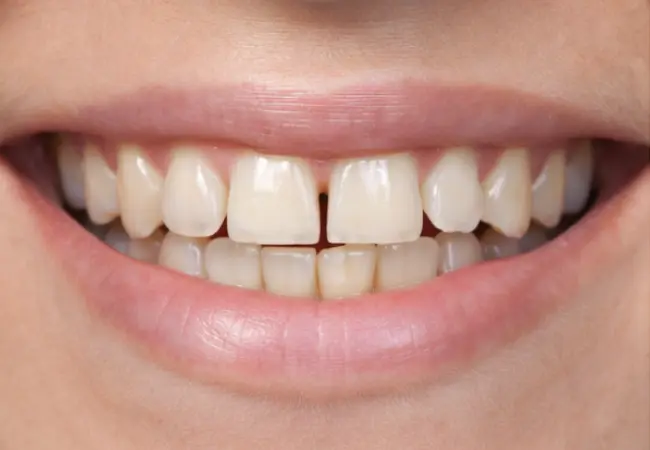
A gap between teeth may seem like a small cosmetic issue, but it can affect much more than just appearance. Depending on the size and cause of the spacing, tooth gaps can impact your bite, oral health, speech, and confidence. A lot of people search for ways to naturally close spaces in their smile or wonder whether treatment is necessary at all. The answer depends on what is causing the gap and whether it is creating functional or dental concerns. This article explains how to get rid of gaps between teeth, why they happen, treatment options, myths, and how patients in Downtown Vancouver can address spacing issues safely and effectively.
What Are Gaps Between Teeth?
A gap between teeth is called a diastema. It refers to the extra space between two or more teeth. While many people associate gaps with the front teeth, spacing can develop anywhere in the mouth. Some gaps are very small and purely cosmetic. Others may become larger over time or contribute to dental problems.
Gaps can occur in:
- Front upper teeth
- Lower front teeth
- Side teeth
- Multiple areas throughout the mouth
Children often develop temporary gaps as their permanent teeth erupt, but adult gaps usually require closer evaluation.
Why Do Gaps Between Teeth Happen?
Common causes include:
- Genetics
- Smaller teeth or larger jaw size
- Missing teeth
- Gum disease
- Thumb sucking habits
- Tongue thrusting
- Bite issues
- Teeth shifting after orthodontic treatment
- Oversized tissue attachment between front teeth
How to Get Rid of Gaps Between Teeth
There is no universal solution because different gaps require different treatments. A small cosmetic space between front teeth may only need bonding. Larger spacing throughout the mouth could require orthodontics or restorative treatment. Below are the most common treatment approaches.
Dental Bonding for Small Tooth Gaps
Dental bonding is often one of the quickest and simplest ways to close small gaps, particularly between front teeth. Rather than moving teeth into a new position, bonding changes the shape and appearance of the teeth by adding tooth-colored composite resin.
During treatment, the dentist carefully selects a shade that matches your natural teeth and applies a sculptable resin material directly onto the tooth surface. The material is shaped to widen the teeth and close the visible space. Once the ideal contour is achieved, a curing light hardens the material, and the surface is polished for a natural appearance.
Many patients choose bonding because treatment can often be completed in a single appointment. It requires minimal preparation and can produce immediate cosmetic improvement. However, bonding works best for smaller spaces and may eventually need maintenance because composite materials can wear or stain over time.
Invisalign Clear Aligners for Tooth Gaps
When spacing is caused by tooth positioning rather than tooth shape, Invisalign may be a more effective option. Instead of covering gaps or adding material to the teeth, Invisalign gradually moves teeth into better alignment.
Treatment begins with digital scans and treatment planning. Using advanced imaging, dentists create a customized series of aligners designed to move teeth incrementally over time. Each aligner tray represents a small stage of movement. Patients generally wear aligners for most of the day and only remove them when eating, drinking, brushing, or flossing. As treatment progresses, teeth slowly shift closer together until gaps are reduced or eliminated. Many adults prefer Invisalign because the trays are clear and removable. Unlike traditional braces, they allow patients to continue eating their favorite foods and maintain easier oral hygiene. Treatment time varies, but many spacing concerns can be corrected over several months.
Braces for Larger or More Complex Gaps
For larger gaps or more complex alignment problems, braces may still be the most predictable solution. While many people associate braces with teenagers, they remain highly effective for adults with spacing concerns. Braces use brackets and wires to apply carefully controlled pressure on teeth. Over time, teeth gradually move into healthier and more balanced positions. Unlike cosmetic treatments that simply mask spacing, braces address the actual positioning of the teeth and bite. This option becomes especially valuable when multiple gaps are present or when spacing is accompanied by crowding, bite irregularities, or rotated teeth. Although treatment often takes longer than cosmetic procedures, braces can provide comprehensive correction and long-term stability.
Veneers for Cosmetic Gap Correction
Not every gap exists because teeth are misaligned. In some situations, teeth may naturally be narrow, small, or unevenly shaped. Even when teeth are properly positioned, spaces can still appear because of proportions within the smile.
Porcelain veneers can help correct these situations by improving both tooth size and shape. Thin custom shells are attached to the front surfaces of teeth to create a fuller and more symmetrical appearance. Many patients choose veneers when they want to address multiple cosmetic concerns at once. Along with closing spaces, veneers can improve tooth color, shape, and overall smile balance.
Replacing Missing Teeth to Prevent New Gaps
Sometimes gaps develop because teeth are missing. When a tooth is lost and not replaced, neighboring teeth often begin shifting toward the empty space. Over time, this movement can create additional spacing problems throughout the mouth.
In these cases, treatment may involve replacing the missing tooth with options such as dental implants or bridges. Restoring missing teeth not only improves appearance but also helps maintain bite function and prevents future movement.
Can You Get Rid of Tooth Gaps Naturally?
If you search online for natural ways to close gaps between teeth. Social media videos and home remedies sometimes recommend using rubber bands, DIY aligners, exercises, or gap bands purchased online. Unfortunately, these methods can be risky. Teeth do not move safely through uncontrolled force. Orthodontic movement depends on precise pressure applied over carefully monitored periods. Applying pressure incorrectly can damage roots, loosen teeth, create bite problems, or injure the gums. While natural remedies may sound appealing, they rarely provide predictable results and can sometimes create more expensive problems later.
How Long Does It Take to Close Gaps Between Teeth?
The timeline for treatment depends heavily on the chosen approach and the complexity of the spacing issue. A small cosmetic gap treated with bonding may be corrected during a single visit. Invisalign and braces require more time because they physically move teeth into new positions. In some cases, treatment may take several months, while more complex situations can require a year or longer. Ultimately, the speed of treatment matters less than creating stable, healthy results that last.
How to Get Rid of Gaps Between Teeth at Stadium Dental in Downtown Vancouver
At Stadium Dental in Downtown Vancouver, our treatment focuses on understanding why spacing developed before recommending a solution for you. Simply closing a visible gap does not always address the underlying cause.
We do a complete evaluation to consider tooth positioning, bite relationships, gum health, and overall smile goals. Some patients may benefit from bonding or veneers, while others achieve better long-term outcomes with orthodontic treatment or restorative care. Our goal is not just closing spaces but creating a healthy, functional smile that looks natural and remains stable over time.
FAQs
What is the fastest way to close a gap between teeth?
Dental bonding is often among the fastest solutions for small spaces.
Can Invisalign fix front tooth gaps?
Yes. Invisalign commonly treats mild to moderate spacing issues.
Are tooth gaps bad?
Not always, but some may contribute to bite or oral health concerns.
Can adults naturally close tooth gaps?
Adult tooth gaps rarely close naturally.
Are DIY gap bands safe?
No. Home methods can damage teeth and gums.
Do braces work better than Invisalign for gaps?
It depends on the spacing severity and bite conditions.
Can gaps come back after treatment?
Yes. Retainers are often important for maintaining results.
Is fixing tooth gaps painful?
Most treatments involve mild and temporary discomfort only.
Conclusion
Learning how to get rid of gaps between teeth starts with understanding why the spacing developed in the first place. Small gaps may be improved with cosmetic treatments like dental bonding or veneers, while larger or more complex spacing concerns may require Invisalign, braces, or restorative solutions. The most effective approach is one that addresses both appearance and long-term dental health.
At Stadium Dental in Downtown Vancouver, patients receive personalized recommendations designed to create natural-looking, functional, and lasting results.