
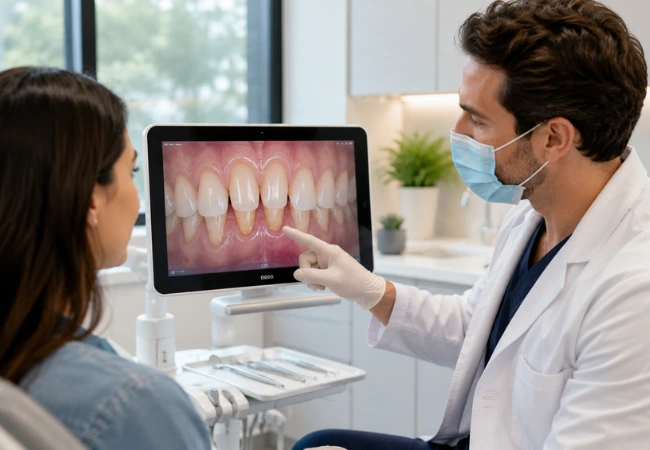
Have your teeth started looking longer than they used to? Do you feel a sharp sensation when drinking cold water or eating ice cream? If so, you may be experiencing a gum recession. Gum recession is a common dental condition that occurs when the gum tissue surrounding your teeth gradually pulls back or wears away, exposing more of the tooth and sometimes even the root beneath it. Many people do not notice gum recession in its early stages because it often develops slowly. However, ignoring the problem can lead to increased sensitivity, tooth decay, gum disease, and even tooth loss in severe cases. Knowing the causes, symptoms, and treatment options can help you protect your smile and prevent further damage.
What Is Gum Recession?
Gum recession occurs when the gum tissue surrounding a tooth moves away from its normal position, exposing more of the tooth structure. Healthy gums act as a protective barrier around your teeth. When the gums recede, the roots of the teeth become more vulnerable because they are not protected by enamel like the visible portion of the tooth. As the recession progresses, pockets can develop between the teeth and gums, making it easier for bacteria to accumulate and cause further damage.
Why Is Gum Recession a Problem?
Many people think gum recession is only a cosmetic concern. While it can affect the appearance of your smile, the condition can also create significant oral health problems. As more of the tooth root becomes exposed, you may experience increased sensitivity, a higher risk of root decay, plaque buildup below the gumline, and greater susceptibility to periodontal disease. If left untreated, severe gum recession may eventually compromise the support structures surrounding the tooth.
The 10 Most Common Causes of Gum Recession
1. Periodontal Disease
Gum disease is one of the leading causes of gum recession. The bacterial infection associated with periodontal disease damages gum tissue and the supporting structures around your teeth. As the disease progresses, the gums may begin to pull away from the teeth.
2. Aggressive Brushing
Brushing too hard may seem like a good way to keep your teeth clean, but excessive force can gradually wear away gum tissue. Using a hard-bristled toothbrush or scrubbing aggressively can contribute to gum recession over time.
3. Poor Oral Hygiene
Inadequate brushing and flossing allow plaque and tartar to accumulate along the gumline. This buildup can lead to inflammation and gum disease, both of which increase the risk of recession.
4. Teeth Grinding and Clenching
Chronic grinding or clenching places excessive pressure on teeth and supporting tissues. Over time, this stress may contribute to gum recession and other dental problems.
5. Genetics
Some people are naturally more susceptible to gum recession due to their genetic makeup. Even with excellent oral hygiene habits, certain individuals may have thinner gum tissue that is more prone to recession.
6. Tobacco Use
Smoking and other tobacco products can negatively affect gum health by reducing blood flow and increasing the risk of gum disease. Tobacco users are more likely to experience gum recession than non-smokers.
7. Misaligned Teeth
When teeth do not align properly, excessive forces may be placed on specific areas of the gums and bone. Over time, this uneven pressure can contribute to recession.
8. Orthodontic Factors
Although orthodontic treatment can improve oral health in many cases, significant tooth movement in patients with thin gum tissue may sometimes contribute to recession if not carefully monitored.
9. Hormonal Changes
Hormonal fluctuations during puberty, pregnancy, and menopause can affect gum sensitivity and increase susceptibility to gum problems.
10. Oral Piercings
Lip and tongue piercings may repeatedly rub against gum tissue, causing irritation and gradual recession over time.
Common Signs and Symptoms of Gum Recession
Because gum recession often develops gradually, symptoms may not be obvious initially.
Common warning signs include:
- Teeth appearing longer than normal
- Tooth sensitivity to hot, cold, or sweet foods
- Visible tooth roots
- Notches near the gumline
- Tender gums
- Bleeding gums
- Bad breath
- Increased plaque buildup
- Loose teeth in severe cases
How Does Gum Recession Affect Tooth Sensitivity?
Many patients first discover gum recession because of tooth sensitivity. The root surface of a tooth contains microscopic channels that connect to the inner nerve structure. When gum tissue recedes and exposes these roots, hot, cold, sweet, or acidic foods can trigger discomfort. As the recession progresses, sensitivity often becomes more noticeable. Addressing the underlying cause of the recession is important for long-term relief.
Treatment Options for Gum Recession
The best treatment depends on the severity and cause of the recession.
Professional Dental Cleaning – If gum disease is contributing to recession, professional cleanings may help remove plaque and tartar buildup while reducing inflammation.
Scaling and Root Planing – Deep cleaning procedures may be recommended when bacteria have accumulated below the gumline. This treatment helps remove harmful deposits and encourages healthier gum tissue.
Desensitizing Treatments – For patients experiencing sensitivity, fluoride treatments or desensitizing products may provide relief.
Night Guards – If teeth grinding is contributing to recession, a custom night guard may help protect the teeth and supporting structures.
Orthodontic Treatment – In some situations, correcting bite problems or tooth alignment may reduce excessive forces that contribute to recession.
Gum Graft Surgery – For advanced gum recession, gum grafting may be recommended. This procedure involves using healthy tissue to cover exposed roots and improve gum support.
Gum Recession at Stadium Dental in Vancouver
At Stadium Dental in Vancouver, gum recession is evaluated with a focus on identifying the underlying cause rather than simply treating the symptoms. Because recession can result from gum disease, aggressive brushing, bite problems, grinding, or other factors, a thorough examination is performed to determine why the recession is occurring and how best to address it.
Our dental team assesses gum health, recession severity, tooth sensitivity, bone support, and overall oral health before recommending treatment options. Depending on your needs, recommendations may include preventive care, periodontal therapy, night guards, oral hygiene adjustments, or referral for specialized treatment when appropriate. The goal is to help stop further recession, protect exposed tooth roots, improve comfort, and preserve your long-term oral health.
FAQs
What causes gum recession?
Common causes include periodontal disease, aggressive brushing, teeth grinding, tobacco use, genetics, and poor oral hygiene.
Can gum recession be reversed?
Lost gum tissue generally does not grow back naturally, but treatments can help stop progression and improve gum health.
Is gum recession serious?
Yes. If left untreated, it can increase the risk of sensitivity, root decay, gum disease, and tooth loss.
What are the first signs of gum recession?
Early signs often include tooth sensitivity, visible root exposure, and teeth appearing longer than usual.
Does gum recession always require surgery?
No. Many cases can be managed with non-surgical treatment depending on the cause and severity.
Can brushing too hard cause gum recession?
Yes. Aggressive brushing is a common contributor to gum recession.
How can I prevent a gum recession?
Gentle brushing, good oral hygiene, regular dental visits, and early treatment of gum disease can help reduce your risk.
Conclusion
Gum recession is a common condition that can affect both the appearance and health of your smile. While it often develops gradually, early detection and treatment can help prevent more serious complications. Understanding the causes, recognizing the warning signs, and seeking professional care when necessary are important steps in protecting your teeth and gums. If you’ve noticed sensitivity, exposed roots, or changes in your gumline, scheduling a dental examination can help identify the cause and determine the best treatment approach.