
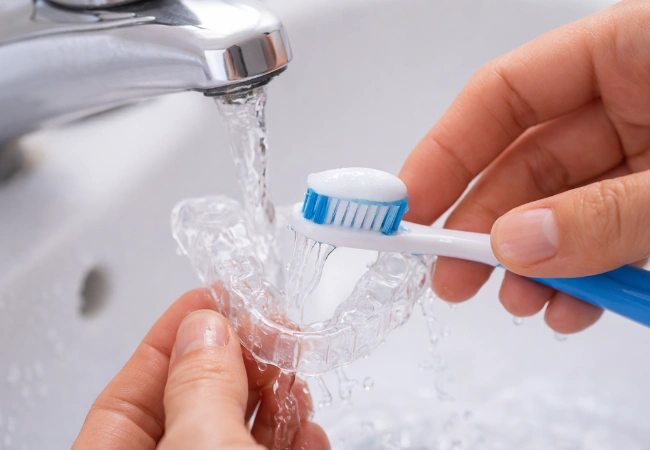
Wearing a night guard protects your teeth from grinding and clenching while you sleep. They help prevent enamel wear, reduce jaw discomfort, and minimize headaches associated with bruxism. However, night guards can accumulate bacteria, plaque, tartar, and odor over time if not cleaned properly. That is why knowing how to clean a night guard effectively matters just as much as wearing one in the first place.
In this detailed guide, you will learn professional-level cleaning routines, daily care systems, deep-clean strategies, and tips to avoid common mistakes that shorten your night guard’s lifespan. By the end, you will know exactly how to keep your night guard fresh, hygienic, and comfortable.
Why Proper Cleaning Matters
Your night guard sits in your mouth for hours as your saliva, bacteria, and food particles interact around it. Without proper cleaning:
- Bacteria can multiply rapidly
- Foul smells develop
- A film of plaque and tartar forms
- Staining occurs
- Gum inflammation may increase
- Your mouth can become prone to infection
Clean night guards not only feel better, but they also help you maintain good oral health over time. If you wear a night guard regularly, a consistent cleaning habit is critical.
What Makes Night Guards Dirty?
Night guards accumulate buildup from:
- Saliva minerals
- Food debris
- Bacterial biofilm
- Morning breath residue
- Hard water deposits
- Coffee or tea staining if rinsed late
Knowing these contributors helps you target the right cleaning strategy.
Daily Cleaning Routine (Best Practice)
Daily cleaning is the foundation of night guard hygiene. Follow this habit after every use.
Step-by-Step Daily Method
- Rinse Immediately After Removal
Rinse your night guard under cool or lukewarm water. Do not use very hot water, which can warp the material.
- Use a Soft Toothbrush
Gently brush all surfaces with a soft toothbrush to remove surface film and debris.
- Mild Soap or Guard Cleaner
Use a gentle, unscented soap or a specialised night guard cleaner. Avoid harsh toothpaste; some formulations are too abrasive.
- Rinse Thoroughly Again
After cleaning, rinse well to remove any product residue, then place the night guard in its case.
Deep Cleaning Methods (Weekly or Biweekly)
Daily cleaning keeps your guard fresh. Deep cleaning removes hard buildup and prevents long-term staining.
Recommended DIY Deep Cleaning Options
1. Denture or Guard Cleaning Tablets
One simple option is to place your guard in lukewarm water with a cleaning tablet and soak it according to the package instructions.
2. Antibacterial Mouthwash Soak
Mix equal parts mouthwash and water, then soak your guard for 10 to 15 minutes to control bacteria and reduce odor.
3. Vinegar Solution Soak
Another kitchen hack is to use vinegar. Get a solution of equal parts white vinegar and cold water. Soak for 30 minutes, then brush and rinse thoroughly.
4. Baking Soda Solution
You may dissolve one tablespoon of baking soda in a cup of water for a gentle but effective cleaning soak.
Always brush and rinse after any soak to remove loosened debris.
Night Guard Cleaning Tools You’ll Need
A few simple tools make cleaning easier:
- Soft-bristled toothbrush (dedicated to guard cleaning)
- Mild soap or specialised guard solution
- Cleaning tablets (denture/guard tablets)
- Rinse cup
- Tooth guard case with airflow vents
- Water flosser (optional, for hard-to-reach areas)
Having supplies ready encourages consistency.
What to Avoid When Cleaning Your Night Guard
Some common cleaning habits damage night guards over time.
Do not:
- Use hot or boiling water
- Use regular toothpaste with abrasive particles
- Use bleach or harsh chemicals
- Leave it wet in a closed case
- Store it where it cannot bend or warp
These mistakes can weaken the guard material, cause string cracking, or reduce fit.
How to Store Your Night Guard Correctly
Proper storage is part of cleaning. After you clean and dry the guard, you must:
- Store in a hard, ventilated case
- Keep it away from direct sunlight
- Avoid heat-producing appliances or windowsills
- Replace the case every 6 to 12 months
A well-ventilated case helps prevent bacterial growth.
When to Replace Your Night Guard
Even with excellent care, night guards have a lifespan. Replace your guard when you notice:
- Cracks or tears
- Significant changes in fit
- Persistent odor that deep cleaning cannot remove
- A rough or cloudy surface that brushing cannot fix
Professional Cleanings and Checkups
Regular dental checkups include inspection of your night guard. Your dentist can:
- Remove stubborn tartar buildup
- Check fit and function
- Recommend replacement timing
- Advise customised cleaning plans
At Stadium Dental, our dentists review your night guard condition during routine examinations to help protect your oral health investment.
Special Cases: Cleaning Different Materials
Night guards come in various materials:
- Soft Night Guards
Easier to clean but wear faster. Daily cleaning helps them last longer.
- Hard Night Guards
More durable but require thorough deep cleaning to prevent buildup in crevices.
- Dual Laminate Guards
A mix of soft and hard; the cleaning technique combines both.
Always follow your dentist’s recommendations based on the type you have.
Step-by-Step Fast Cheat Sheet
Here is a quick reference routine you can follow:
After Every Use
- Rinse under cool water
- Brush gently with a soft brush
- Rinse again
- Store dry in a ventilated case
Weekly
- Soak in cleaning solution (tablet or soak mix)
- Brush and rinse
- Dry completely
Monthly
- Inspect for wear and tear
- Replace the case if it’s dirty
Consistency is the key.
What Happens if You Don’t Clean Your Night Guard Properly?
Neglecting guard hygiene can lead to:
- Gingivitis or gum inflammation
- Bad breath that lingers
- Bacterial infections
- Tooth staining
- Reduced guard lifespan
Your nightly protector should never become a source of risk.
Frequently Asked Questions About How to Clean a Night Guard
How often should I clean my night guard?
You should clean your night guard after every use and perform a deeper soak at least once per week.
Can I use toothpaste to clean a night guard?
No. Most toothpaste is too abrasive and can scratch or weaken the night guard material over time.
What is the best cleaning solution for night guards?
Gentle soap with a soft brush, guard cleaning tablets, vinegar solutions, and baking soda soaks are safe and effective options.
Will hot water damage my night guard?
Yes. Hot or boiling water can warp the material and alter the fit of your night guard.
How long does a night guard last?
Night guard lifespan varies by material and usage, but many last 1 to 3 years. Replace yours when fitting issues, cracks, or persistent odor occur.
Should I bring my night guard to dental visits?
Yes. Your dentist can inspect, professionally clean, and advise on maintenance and replacement timing.
Conclusion
You bought a night guard to protect your smile. Cleaning it properly ensures it protects you without becoming a hygiene hazard. Daily rinsing, brushing with the right products, periodic deep cleaning, correct storage, and professional care all keep your guard fresh and functional.
Using the steps outlined here and regular check-ins with your dentist at Stadium Dental will help your night guard stay clean, comfortable, and long-lasting.