
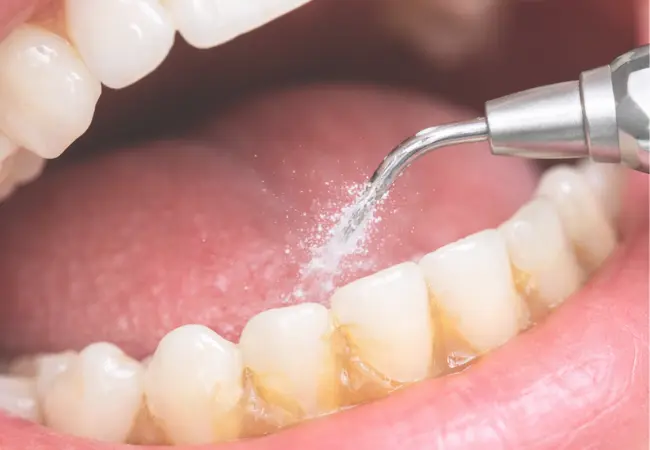
If you are searching for how to remove tartar from teeth, you are not alone. Tartar (also called dental calculus) is hardened plaque. Once it forms, it can stick tightly to teeth, irritate gums, contribute to bad breath, and increase your risk of gum disease. (Dental Floss/Interdental Cleaners | American Dental Association, 2020)
Here is the most important truth up front: you can remove plaque at home, but you cannot safely remove hardened tartar at home. A dental professional removes tartar with scaling instruments during a professional cleaning. (Infection Control and Sterilization, 2024)
This guide explains what to do right now, what actually removes tartar, and how to prevent it from coming back.
Quick answer
How to remove tartar from teeth:
- Book a professional dental cleaning (this is the only safe way to remove tartar).
- At home, focus on preventing new tartar by removing plaque daily with brushing and cleaning between teeth. Plaque that is not removed can harden into tartar.
- If gums bleed, teeth feel rough, or breath worsens, do not wait. Tartar can fuel gum inflammation and make plaque harder to remove.
What tartar is (and why it feels like a “rough coating”)
Plaque is a soft, sticky film of bacteria that forms on teeth every day. If plaque is not removed consistently, it can harden into tartar, which bonds to tooth surfaces and creates a rough area that attracts even more plaque. (Periodontitis, 2023)
Common signs you may have tartar:
- A rough or gritty feeling near the gumline
- Yellow or brown buildup, especially behind lower front teeth
- Gums that bleed when brushing or flossing
- Bad breath that keeps coming back
Tartar above the gumline is visible, but tartar can also form below the gumline, where you cannot see it, and it can quietly inflame gum tissue. (Healthy Mouth, Healthy Body, 2024) Professional evaluation matters.
Can you remove tartar at home?
Not completely and not safely. Once plaque hardens into tartar, brushing and flossing alone cannot remove it. A dentist or hygienist removes tartar during a professional cleaning. (Association, 2024)
Why DIY scraping is a bad idea:
- You can scratch enamel or damage gum tissue.
- You can push bacteria deeper under the gumline.
- You can miss deposits that are out of sight, which means the problem continues.
If you have tartar, the goal at home is to prevent more tartar and keep the area stable until you get a cleaning.
What actually removes tartar: professional dental cleaning
A professional cleaning typically includes scaling, which removes tartar deposits from tooth surfaces, followed by polishing. (Association, 2024)
What you can expect:
- Assessment: your hygienist checks gum health and identifies areas of heavy buildup.
- Scaling: removal of hardened tartar with specialized instruments.
- Polishing: smooths the tooth surface to reduce plaque sticking.
- Personalized prevention plan: tools and techniques tailored to your mouth.
If you have deeper buildup or gum disease, you may need a more comprehensive periodontal cleaning plan based on your exam. (Periodontitis | American Dental Association, 2024)
How long does it take to form tartar?
It varies, but the key concept is this: plaque that stays on teeth can harden into tartar over time, and once tartar is present, it requires professional removal.
If you tend to build tartar quickly, waiting longer between cleanings often means:
- more buildup to remove,
- more gum inflammation,
- a harder time keeping gums healthy between visits.
Safe at-home steps that help (prevention and control)
You cannot dissolve tartar at home in a reliable way. (Oral Health Tips for Adults, 2023) What you can do is reduce plaque so less tartar forms, and calm gum irritation so you are not stuck in a cycle of inflammation.
1) Brush with the right goal: remove plaque at the gumline
Tartar starts as plaque at the gum line. Pay extra attention to where the teeth meet the gums, not just the chewing surfaces.
If you want an efficiency upgrade, consider an electric toothbrush, which can be more effective than manual brushing at removing plaque and reducing the risk of tartar buildup for many people. (Are electric toothbrushes really better for your teeth?, 2025)
2) Clean between teeth every day
The spaces between teeth are plaque traps. The ADA notes that plaque that is not removed can harden into tartar, necessitating professional cleaning. (Association, 2024)
Options:
- floss
- interdental brushes (great if you have wider spaces or gum recession)
- water flosser as a helpful add-on (not a full replacement for all people)
3) Do not chase “miracle” tartar hacks
You may see advice online about scraping, acids, or abrasive powders. Those can irritate the gums, wear down enamel, and cause sensitivity. If something is strong enough to remove hardened deposits without proper instruments, it can also damage tooth structure. (Association, 2025)
4) Support gum health with consistency, not intensity
If your gums bleed, people often brush harder. That usually backfires. Use gentle pressure and focus on technique. Gingivitis can improve with consistent hygiene and routine professional care. (Gingivitis, n.d.)
Who gets tartar faster (and why it keeps coming back)
Some people do “everything right” and still build tartar quickly. Common contributors include:
- Crowded teeth that are harder to clean
- Orthodontic appliances (braces, aligners, attachments)
- Smoking or vaping
- Dry mouth (often medication-related)
- High-sugar or frequent-snacking habits
- Previous gum disease
If tartar returns quickly after cleanings, your prevention plan likely needs to be more customized, not more aggressive.
When to book a cleaning sooner rather than later
Do not wait if you have:
- bleeding gums that persist
- gum swelling or tenderness
- loose feeling in the teeth
- persistent bad breath
- visible buildup along the gumline
- gum recession or “longer-looking” teeth
Tartar can contribute to gum inflammation and create a more protective environment for bacteria, making plaque harder to remove. (Gum Disease, 2024)
Stadium Dental: professional tartar removal in Downtown Vancouver
At Stadium Dental, we remove tartar safely and thoroughly during professional dental cleanings and provide a prevention plan tailored to your mouth, habits, and risk factors.
- Address: 178 Keefer Place, Vancouver, BC, V6B 0J6
- Phone: 604-559-0299
- Booking: call or use the online booking option on our website
If your teeth feel rough, your gums bleed, or it has been a while since your last cleaning, now is the right time to act.
Frequently Asked Questions
Can you remove tartar from teeth at home?
You can remove plaque at home, but once it hardens into tartar, you need professional cleaning to remove it safely and completely. (Tartar on Teeth (Dental Calculus): Causes & Removal, 2024)
What happens if tartar is not removed?
Tartar can irritate gums, make plaque harder to remove, and contribute to the progression of gum disease if left untreated. (Tartar on Teeth (Dental Calculus): Causes & Removal, 2024)
How often should I get tartar removed?
Many people benefit from regular cleanings every 6 to 12 months, but if you have higher risk factors, you may need professional cleaning more often, based on your dentist’s recommendation. (Home Oral Care Recommendations to Reduce the Risk of Caries and Gum Disease, 2023)
Will brushing harder remove tartar?
No. Brushing too hard can irritate the gums and cause sensitivity. The solution is consistent plaque removal daily and professional scaling when tartar is present.