
Jaw pain, teeth grinding, and frequent tension headaches can make everyday activities uncomfortable. If you have been searching for relief, you have likely come across different non-surgical TMJ treatment options such as night guards, dental splints, and Botox injections. Each of these treatments works in a different way, which can make the decision confusing.
Understanding the differences between botox vs night guard and botox vs splint can help you choose the approach that actually targets the cause of your symptoms. In this article, you will learn how each option works, who it is best for, and what to expect from these common non-surgical TMJ treatment methods.
What Is TMJ and Why Treatment Matters
Your temporomandibular joint, or TMJ, connects your jaw to your skull. It allows you to chew, speak, and open your mouth comfortably. When the joint or surrounding muscles become strained, you may experience:
- Jaw pain or tightness
- Clicking or popping sounds
- Headaches
- Teeth grinding
- Facial tension
- Difficulty chewing
Early treatment is important because untreated TMJ problems can lead to tooth damage, gum issues, and chronic discomfort.
What Is a Night Guard
A night guard is a custom dental appliance worn while you sleep. It creates a barrier between your upper and lower teeth to reduce the effects of grinding. Night guards are commonly recommended for:
- Teeth grinding during sleep
- Jaw clenching
- Enamel wear
- Mild TMJ discomfort
When comparing Botox vs a night guard, it is important to understand that a night guard protects your teeth but does not stop the muscle activity causing the grinding.
What Is a Dental Splint
A splint is similar to a night guard but is designed specifically to correct bite alignment and reduce pressure on the TMJ. Splints are often used for the following:
- Moderate TMJ disorders
- Bite imbalance
- Jaw joint strain
- Muscle tension
When looking at Botox vs. splint, a splint focuses on repositioning the jaw and reducing joint stress, while Botox targets the muscles themselves.
What Is Botox for TMJ
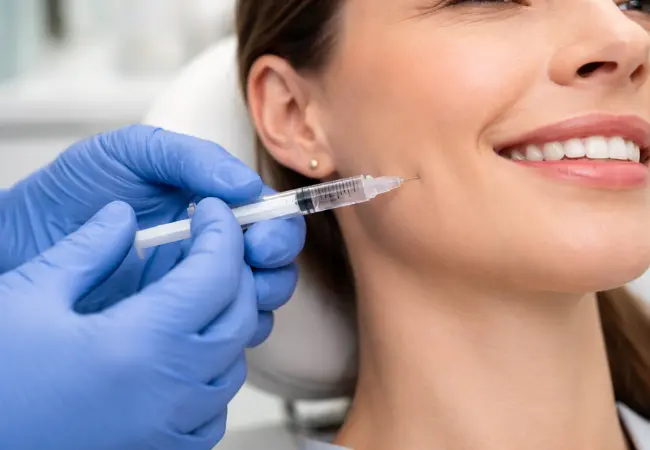
Botox for TMJ is a non-surgical TMJ treatment that involves injecting small amounts of botulinum toxin into the jaw muscles. This helps relax the muscles responsible for clenching and grinding. Botox works by:
- Reducing muscle tension
- Decreasing grinding force
- Relieving pressure on the TMJ
- Easing headaches and jaw pain
Many patients consider Botox when comparing botox vs night guard or botox vs splint because it treats the source of the muscle tension rather than just protecting the teeth.
Botox vs Night Guard: Key Differences
When comparing botox vs night guard, the main difference is how each treatment works. A night guard is a custom appliance that you wear while sleeping. It protects your teeth from the damage caused by grinding and clenching, but it does not reduce the muscle activity that causes the grinding. This means the underlying tension in your jaw may still be present even though your teeth are protected.
Botox works differently. Instead of acting as a barrier, it relaxes the clenching muscles that create the grinding force. The injections are done in the dental office and usually take only a few minutes. Results typically last about three to four months before a follow-up treatment is needed. In the botox vs night guard comparison, night guards provide protection for your teeth, while Botox helps reduce the muscle tension that causes the problem. In many cases, dentists recommend using both treatments together for better results.
Botox vs Splint: Key Differences
When comparing botox vs splint, the focus shifts from protection to jaw alignment. A dental splint is designed to reposition your jaw and reduce pressure on the temporomandibular joint. It is usually worn as directed by your dentist and helps improve bite balance while reducing joint strain. Splints are commonly used for patients who experience joint clicking, locking, or alignment problems.
Botox, on the other hand, does not change the position of your jaw. Instead, it targets the overactive muscles responsible for clenching and grinding. By reducing muscle activity, Botox helps relieve tension and discomfort. The effects are temporary but effective for many patients. In the botox vs splint comparison, splints address joint alignment, while Botox focuses on relaxing the muscles that create tension.
Which Non-Surgical TMJ Treatment Is Right for You
Choosing the right non-surgical TMJ treatment depends on your specific symptoms and the cause of your discomfort. If you mainly grind your teeth at night and experience mild jaw tension, a night guard may be the best starting point. It offers a simple and protective solution that prevents further tooth damage.
If your symptoms involve bite alignment problems, joint clicking, or jaw locking, a dental splint may be more appropriate. Splints help reposition the jaw and reduce pressure on the joint, which can improve both comfort and function.
Botox may be the better option if you have strong jaw muscle tension, frequent tension headaches, or limited relief from appliances. It provides a non-surgical TMJ treatment that targets the muscle activity directly, without requiring you to wear a device.
When evaluating botox vs night guard or botox vs splint, a professional dental assessment is essential. Many patients benefit from a combined treatment approach that addresses both muscle tension and tooth protection.
Benefits of Non-Surgical TMJ Treatment
Choosing a non-surgical TMJ treatment offers several advantages:
- No surgery or long recovery time
- Less risk compared to invasive procedures
- Customised treatment options
- Quick and convenient appointments
- Effective relief for many patients
Many people prefer comparing botox vs splint or botox vs night guard before considering surgical options.
Botox for TMJ at Stadium Dental
At Stadium Dental, your TMJ treatment begins with a detailed evaluation of your bite, jaw muscles, and symptoms. The team will explain the differences between botox vs night guard and botox vs splint so you can make an informed decision.
Depending on your needs, your dentist may recommend:
- A custom night guard
- A therapeutic splint
- Botox for muscle tension
- A combination of treatments
The goal is to provide a non-surgical TMJ treatment plan that improves comfort, protects your teeth, and supports long-term oral health.
Frequently Asked Questions
Is Botox better than a night guard for TMJ?
Botox and night guards serve different purposes. Botox relaxes the muscles, while a night guard protects the teeth. Many patients benefit from using both.
What is the difference between a splint and a night guard?
A splint is designed to reposition the jaw and reduce joint stress, while a night guard mainly protects teeth from grinding.
How long does Botox for TMJ last?
Botox effects typically last between three and four months before another treatment is needed.
Is non-surgical TMJ treatment effective?
Yes. Many patients experience significant relief from night guards, splints, or Botox without needing surgery.
Can I combine Botox with a night guard?
Yes. Many dentists suggest combining Botox with a night guard for better symptom control and tooth protection.
Conclusion:
When comparing botox vs night guard and botox vs splint, the right solution depends on the cause of your TMJ symptoms. Night guards protect teeth, splints help with jaw alignment, and Botox relaxes the muscles causing tension.
Each option plays a different role in non-surgical TMJ treatment, and a personalized dental assessment is the best way to determine the right approach.