
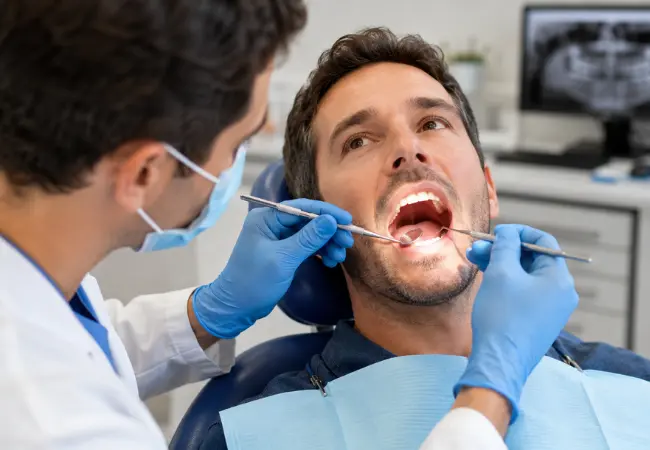
Oral cancer can develop in various parts of your mouth, including your lips, tongue, cheeks, gums, floor of the mouth, roof of the mouth, and throat. Like many cancers, oral cancer is often easier to treat when it is detected early. The challenge is that many early symptoms can be mistaken for minor dental issues, mouth sores, or irritation. Because of this, people sometimes ignore warning signs for weeks or even months before seeking professional care. Understanding the signs of oral cancer can help you recognize potential problems sooner and know when it is time to schedule a dental evaluation.
What Is Oral Cancer?
Oral cancer refers to cancer that develops in the tissues of the mouth or throat. It occurs when abnormal cells grow uncontrollably and begin invading surrounding tissues. While oral cancer can affect anyone, certain risk factors may increase your chances of developing the condition, including tobacco use, excessive alcohol consumption, prolonged sun exposure to the lips, human papillomavirus (HPV), and increasing age. Although risk factors are important, some people develop oral cancer without having any obvious risk factors at all.
Why Early Detection Matters
Early-stage oral cancer often causes few symptoms and may not be painful. Unfortunately, many people wait until symptoms become severe before seeking treatment. When oral cancer is discovered early, treatment is generally less extensive, and outcomes are often more favorable. This is one reason routine dental visits are so important. Dentists are trained to look for abnormalities that patients may not notice themselves.
Top 10 Signs of Oral Cancer
1. A Mouth Sore That Does Not Heal
One of the most common signs of oral cancer is a sore that remains in your mouth for more than two weeks. Most minor mouth ulcers heal relatively quickly. If you notice a sore that continues to linger, grows larger, or repeatedly returns to the same area, it should be evaluated by a dental professional. Persistent sores are particularly concerning when they occur without an obvious cause, such as trauma or irritation.
2. White Patches Inside Your Mouth
White patches, known as leukoplakia, can sometimes be associated with precancerous changes or oral cancer. These patches may develop on the gums, tongue, cheeks, or floor of the mouth. While not every white patch is cancerous, any unexplained area that does not disappear should be examined.
3. Red Patches in the Mouth
Red patches, called erythroplakia, may be even more concerning than white patches in some cases. These areas often appear bright red and velvety in texture. Because they can sometimes indicate abnormal cellular changes, they should never be ignored.
4. Persistent Mouth Pain
Oral cancer may cause ongoing discomfort that does not improve over time. You may experience pain while eating, speaking, swallowing, or simply resting. While many dental conditions can cause pain, persistent discomfort without a clear explanation should be investigated.
5. A Lump or Thickened Area
A lump inside your mouth, along your gums, under your tongue, or in your throat may be a warning sign. Some patients describe the sensation as a swelling or thickened patch that feels different from surrounding tissue. Any unexplained lump that persists should be evaluated promptly.
6. Difficulty Swallowing
If you begin experiencing trouble swallowing or feel as though something is stuck in your throat, it may indicate a problem that requires further examination. Difficulty swallowing can occur when abnormal tissue growth affects the mouth or throat.
7. Persistent Sore Throat
A sore throat that refuses to go away may sometimes be linked to oral or throat cancer. This symptom is especially concerning when it lasts for several weeks and does not respond to typical treatments.
8. Changes in Your Voice
Oral cancer affecting nearby tissues may sometimes cause hoarseness or noticeable voice changes. If your voice becomes persistently raspy or sounds different without an obvious cause, such as illness, it may warrant further evaluation.
9. Numbness in the Mouth or Tongue
Some individuals with oral cancer experience unexplained numbness in the lips, tongue, cheeks, or other parts of the mouth. This symptom may occur when abnormal tissue affects nearby nerves.
10. Loose Teeth Without an Obvious Cause
While gum disease is a common cause of loose teeth, oral cancer can sometimes affect the structures that support your teeth. If a tooth suddenly becomes loose without trauma or advanced gum disease, your dentist may recommend further evaluation.
In addition to the warning signs above, some patients may notice jaw pain, ear pain, difficulty moving the tongue, chronic bad breath, unexplained bleeding, or weight loss. Not every symptom means you have oral cancer. However, persistent changes should never be ignored.
Common Risk Factors for Oral Cancer
Several factors may increase your risk of developing oral cancer. Tobacco use remains one of the leading risk factors. Cigarettes, cigars, pipes, and smokeless tobacco products have all been linked to increased oral cancer risk. Also, heavy alcohol consumption can contribute, especially when combined with tobacco use. Other risk factors include HPV infection, excessive sun exposure to the lips, a weakened immune system, and increasing age.
How Oral Cancer Is Diagnosed
If your dentist notices an area of concern, additional testing may be recommended. The evaluation process may include a visual examination, palpation of tissues, imaging studies, or a biopsy. A biopsy is the most reliable way to determine whether abnormal cells are present. Early diagnosis allows treatment to begin before the disease progresses further.
Signs of Oral Cancer at Stadium Dental in Vancouver
At Stadium Dental in Vancouver, routine dental examinations include careful evaluation of your oral tissues, gums, tongue, cheeks, lips, and other areas where oral cancer may develop. Many patients are unaware that oral cancer screenings can be part of regular dental visits. During an examination, our dental team looks for unusual sores, patches, lumps, tissue changes, and other abnormalities that may require further evaluation.
Because oral cancer can be difficult to identify on your own, professional screenings play an important role in early detection. If you notice persistent symptoms such as mouth sores, red or white patches, unexplained pain, or difficulty swallowing, our team at Stadium Dental can assess the area and determine whether additional testing or referral is needed. Regular dental visits are not only important for your teeth and gums. They can also help identify serious health concerns at an earlier stage.
How You Can Reduce Your Risk of Oral Cancer
While not every case of oral cancer can be prevented, certain lifestyle choices may help reduce your risk. Avoiding tobacco products, limiting alcohol consumption, protecting your lips from excessive sun exposure, maintaining good oral hygiene, and attending regular dental examinations can all contribute to better oral health. Being aware of changes in your mouth and seeking evaluation when symptoms persist is equally important.
FAQs
What is usually the first sign of oral cancer?
A persistent mouth sore that does not heal within two weeks is one of the most commonly reported early signs.
Can oral cancer be painless?
Yes. Early oral cancer may cause little or no pain, which is one reason regular screenings are important.
What do oral cancer patches look like?
They may appear as white patches, red patches, mixed red-and-white areas, or thickened tissue.
How long should a mouth sore last before I get it checked?
Any sore that lasts longer than two weeks should be evaluated by a dental professional.
Can a dentist detect oral cancer?
Dentists are trained to identify suspicious tissue changes and often perform oral cancer screenings during routine exams.
Does oral cancer always affect smokers?
No. While tobacco use increases risk, oral cancer can occur in people who have never smoked.
At what age is oral cancer most common?
Oral cancer is more common in older adults, but it can occur at any age.
Conclusion
Recognizing the signs of oral cancer can make a significant difference in early detection and treatment outcomes. Symptoms such as persistent mouth sores, white or red patches, unexplained lumps, swallowing difficulties, numbness, and loose teeth should never be ignored, especially when they persist for more than two weeks. If you notice any unusual changes in your mouth, scheduling a dental examination is one of the most important steps you can take. Early evaluation provides peace of mind and may help identify problems before they become more serious.