
If you’ve ever looked in the mirror and wished you could fix a chipped tooth, close a small gap, or improve the appearance of stained teeth without extensive dental work, cosmetic bonding may be the solution you’re looking for. Cosmetic bonding is one of the most versatile and affordable cosmetic dental treatments available today. It can make noticeable improvements to your smile in as little as one appointment while preserving most of your natural tooth structure. Because the procedure is minimally invasive, many patients choose cosmetic bonding as a practical alternative to more extensive cosmetic treatments. If you’re considering ways to enhance your smile, understanding how cosmetic bonding works can help you decide whether it’s the right option for you.
What Is Cosmetic Bonding?
Cosmetic bonding, sometimes called dental bonding or composite bonding, is a cosmetic dental procedure that uses a tooth-colored composite resin to improve the appearance of teeth. The material is carefully shaped and sculpted directly onto the tooth to correct cosmetic concerns such as chips, cracks, gaps, discoloration, uneven edges, or minor shape irregularities. Once the resin is applied, it is hardened using a special curing light and then polished to blend naturally with your surrounding teeth. The result is a more balanced and attractive smile that still looks natural.
What Can Cosmetic Bonding Fix?
One of the reasons cosmetic bonding is so popular is its versatility. It can be used to address many common cosmetic concerns, including:
- Chipped teeth
- Small cracks
- Gaps between teeth
- Uneven tooth shapes
- Worn tooth edges
- Minor tooth length discrepancies
- Surface discoloration
- Small cosmetic imperfections
For patients looking for noticeable improvements without extensive treatment, cosmetic bonding can often provide an excellent solution.
How Does Cosmetic Bonding Work?
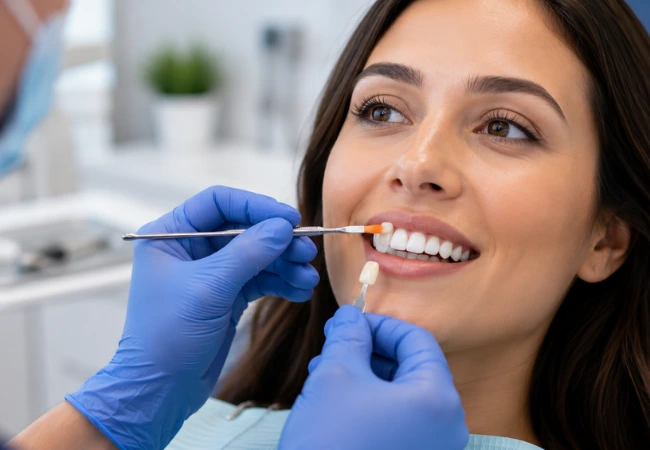
The cosmetic bonding process is relatively straightforward and usually requires only one visit. Your dentist begins by evaluating your smile and selecting a composite resin shade that closely matches your natural teeth. The tooth surface is then gently prepared to help the bonding material adhere properly. A conditioning liquid is applied before the composite resin is carefully placed onto the tooth. The dentist shapes and sculpts the material to achieve the desired appearance. Once the shape is finalized, a curing light hardens the resin. The bonded area is then polished to create a smooth, natural-looking finish that blends seamlessly with the surrounding teeth.
Benefits of Cosmetic Bonding
One of the biggest advantages of cosmetic bonding is that it can significantly improve the appearance of a tooth while preserving most of the natural structure. Unlike some cosmetic procedures that require substantial enamel removal, bonding is generally conservative and minimally invasive.
Other benefits include:
- Quick treatment times
- Natural-looking results
- Affordable compared to many cosmetic alternatives
- Minimal discomfort
- Little or no anesthesia required
- Ability to repair multiple cosmetic concerns
Many patients appreciate that cosmetic bonding can provide immediate improvements without a lengthy treatment process.
Cosmetic Bonding vs. Veneers
Patients often compare cosmetic bonding and porcelain veneers because both treatments can improve the appearance of a smile. While they may address similar concerns, they are quite different procedures. Cosmetic bonding uses composite resin that is applied directly to the tooth. It is generally more affordable and requires less tooth preparation. Porcelain veneers are custom-made ceramic shells bonded to the front of teeth. Veneers typically offer greater stain resistance and durability but usually involve a larger financial investment. For some patients, bonding may be the ideal solution. For others, veneers may provide longer-lasting cosmetic improvements. The best choice depends on your goals, budget, and the condition of your teeth.
Cosmetic Bonding vs. Dental Crowns
Another common comparison is cosmetic bonding versus dental crowns. Bonding is primarily used to improve appearance and repair minor imperfections. Crowns are typically recommended when a tooth has significant structural damage, large fillings, extensive decay, or requires additional protection. If the tooth remains healthy and strong, cosmetic bonding may offer a less invasive alternative.
How Long Does Cosmetic Bonding Last?
The lifespan of cosmetic bonding depends on several factors, including the location of the bonding, your oral habits, and how well you care for your teeth. Many bonded restorations can last several years before requiring maintenance or replacement. Avoiding habits such as nail biting, chewing ice, opening packages with your teeth, and biting hard objects may help extend the life of your bonding. Regular dental visits also allow your dentist to monitor bonded areas and make minor repairs when necessary.
Is Cosmetic Bonding Permanent?
Cosmetic bonding is considered a long-term treatment, but it is not permanent. Over time, the composite resin may experience wear, staining, or minor chipping. Fortunately, bonding can often be repaired or refreshed without replacing the entire restoration. Many patients appreciate the flexibility and conservative nature of the treatment.
What Are the Limitations of Cosmetic Bonding?
Although cosmetic bonding offers many advantages, it is important to understand its limitations. Composite resin is generally not as strong as porcelain and may be more susceptible to staining over time. Coffee, tea, red wine, tobacco, and certain foods can gradually affect the appearance of bonded teeth. Bonding is also typically best suited for smaller cosmetic improvements rather than complete smile transformations involving extensive structural changes. Understanding these limitations helps set realistic expectations for treatment.
Cosmetic Bonding at Stadium Dental in Vancouver
At Stadium Dental in Vancouver, cosmetic bonding is used to help patients improve the appearance of their smiles while preserving as much natural tooth structure as possible. Whether you’re concerned about a chipped tooth, a small gap, uneven tooth edges, or minor cosmetic imperfections, we take the time to understand your goals and create a treatment plan tailored to your needs. Every smile is unique. Before recommending cosmetic bonding, we evaluate your oral health, bite, tooth structure, and overall aesthetic goals to determine whether bonding is the most appropriate option.
The focus is not simply on fixing a tooth. It is on creating natural-looking results that complement your smile and help you feel more confident when speaking, laughing, and smiling.
How to Care for Cosmetic Bonding
Taking care of bonded teeth is similar to caring for your natural teeth. Brushing twice daily, flossing regularly, and attending routine dental cleanings can help maintain your results. Limiting stain-causing foods and beverages may also help preserve the appearance of the composite material. If you grind your teeth at night, your dentist may recommend a night guard to help protect your bonding from excessive wear. Good oral hygiene habits can help maximize the longevity of your treatment.
FAQs
What is cosmetic bonding?
Cosmetic bonding is a procedure that uses tooth-colored composite resin to improve the appearance of teeth.
How long does cosmetic bonding last?
Many bonded restorations can last several years with proper care and maintenance.
Is cosmetic bonding painful?
Most cosmetic bonding procedures require little to no discomfort and often do not require anesthesia.
Can cosmetic bonding fix a chipped tooth?
Yes. Cosmetic bonding is commonly used to repair chipped and mildly fractured teeth.
Does cosmetic bonding stain?
Composite resin can stain over time, particularly with frequent exposure to coffee, tea, red wine, and tobacco.
Is cosmetic bonding cheaper than veneers?
Generally, cosmetic bonding is more affordable than porcelain veneers.
Can bonded teeth be whitened?
Bonding material does not respond to whitening treatments the same way natural teeth do. Whitening is usually recommended before bonding if desired.
Conclusion
Cosmetic bonding is one of the most effective ways to improve the appearance of your smile without extensive dental treatment. Whether you’re looking to repair a chipped tooth, close a small gap, improve tooth shape, or enhance your overall smile, bonding offers a conservative, affordable, and natural-looking solution.
By understanding the benefits, limitations, and long-term care requirements of cosmetic bonding, you can make an informed decision about whether this treatment aligns with your smile goals. For many patients, cosmetic bonding provides a simple way to achieve noticeable results with minimal disruption to their daily lives.