
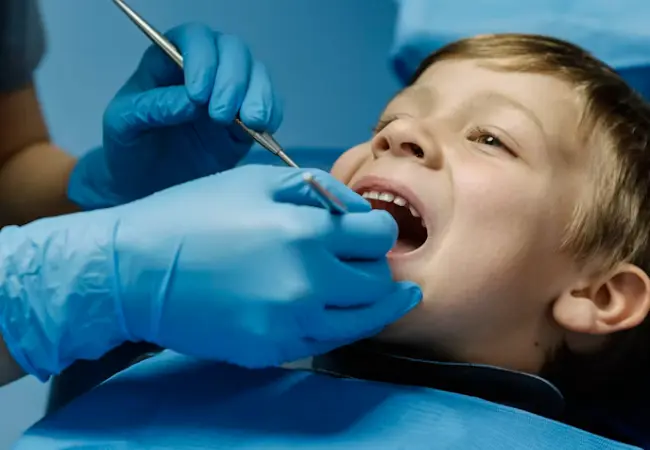
If your child’s dentist has mentioned a palatal expander, you’re probably picturing something intimidating and wondering if it’s actually necessary or if you’re overthinking it. It’s a completely normal reaction. Most parents have never heard of an expander until it comes up for their own child, and the name alone sounds more dramatic than the treatment usually is. This article breaks down what a dental expander in Vancouver actually does, the signs that suggest your child might need one, how it compares to braces, and what the day-to-day experience is really like, so you can walk into that conversation with your dentist feeling prepared instead of caught off guard.
What Is a Palatal Expander?
A palatal expander is a small device that fits along the roof of your child’s mouth and gradually widens their upper jaw. The roof of the mouth, or palate, is actually made of two separate bones joined together in the middle by a suture line. In children, that suture hasn’t fully fused yet, which means it can still be gently and gradually widened before it hardens into one solid piece later in life.
An expander applies slow, steady pressure on both sides of that suture, which encourages new bone to grow in the gap as it widens. The result is a broader upper jaw with more room, which can make a meaningful difference in how a child’s teeth and bite develop.
Signs Your Child Needs an Expander
You won’t always be able to tell just by looking, which is exactly why regular dental checkups matter. That said, there are some common signs worth paying attention to at home.
- Crowded or overlapping teeth, especially as adult teeth start coming in with not enough room for them
- A crossbite, where the upper teeth sit inside the lower teeth instead of slightly overlapping them, sometimes visible when your child bites down
- Difficulty chewing or noticeably favoring one side of the mouth
- Mouth breathing or snoring, since a narrow palate can sometimes be linked to a narrower airway
- A narrow-looking smile, with visible gaps or a high, arched roof of the mouth
- Your dentist noting insufficient space for permanent teeth during a routine checkup, even before you’ve noticed anything yourself
If any of this sounds familiar, it doesn’t automatically mean your child needs an expander. It just means it’s worth a proper evaluation, since catching it early tends to make treatment simpler.
How Do Palatal Expanders Work?
Here’s the part most parents find reassuring once they understand it. The expander itself typically sits against the roof of the mouth and attaches to the upper back teeth for stability. In the middle, there’s a tiny screw. Using a small key, you (or your child, depending on the device) turn that screw a small amount each day, usually a fraction of a millimeter at a time.
That gentle daily turn creates gradual tension across the suture in the roof of the mouth, slowly separating the two halves. As the gap widens, the body naturally fills it in with new bone. It’s a slow, controlled process rather than anything sudden, which is exactly why it works so well with a growing child’s developing jaw.
Most children reach their target width within a few months. After that, the expander typically stays in place for several more months while the new bone has time to harden and stabilize, so the results hold long-term.
Expander vs Braces for Children: What’s the Difference?
This is one of the most common points of confusion for parents, and it comes down to one key difference: expanders move bone, braces move teeth.
Palatal expanders:
- Widen the actual upper jawbone to create more space
- Are most effective in children, while the palate is still developing and hasn’t fully fused
- Address the root cause of crowding or a narrow palate, rather than just repositioning teeth within limited space
- Are often used before or alongside braces, not usually as a replacement for them
Braces:
- Move individual teeth into better positions within the space that’s already available
- Can straighten teeth, but can’t widen the jawbone itself
- Are typically used after an expander has created enough room, if a child needs both
In many cases, an expander and braces work together as two stages of the same overall treatment plan, rather than being an either-or decision. Your dentist or orthodontist can tell you whether your child needs one, both, or neither, based on their specific bite and jaw development.
Is a Palatal Expander Painful?
Most kids adjust to it faster than parents expect. There’s usually some mild pressure or tenderness for the first few days, and occasionally right after each daily adjustment, but it’s generally described as pressure rather than sharp pain. Over-the-counter pain relief can help during the first few days if needed.
Some children also experience mild side effects while they get used to the device, including:
- A bit of drooling or extra saliva
- A slight lisp for the first week or two
- Minor difficulty adjusting to speaking or eating certain foods at first
These effects are almost always temporary and tend to resolve as your child gets used to having the expander in place.
At What Age Should a Child Get an Expander?
There’s a reason this treatment is so closely tied to childhood. Because a child’s palate hasn’t fully fused yet, expanders tend to work faster and more predictably in children, often achieving results in a matter of months. Many dentists recommend evaluating a child’s bite and jaw development around ages 7 to 8, though the right timing always depends on your individual child’s growth and dental needs.
Waiting until the palate has fully fused later in life doesn’t mean expansion becomes impossible, but it usually becomes a longer, more involved process. That’s why an early evaluation is so valuable, even if it turns out your child doesn’t need an expander at all.
Dental Expanders in Vancouver: Stadium Dental
If you’re noticing crowding, a narrow smile, or a bite that doesn’t quite line up in your child’s teeth, Stadium Dental can help you understand what’s actually going on and whether early intervention makes sense.
Here’s what makes evaluating and treating your child’s bite easier at Stadium Dental:
- Early evaluation for children, so you’re not guessing whether something needs attention or can wait
- A calm, kid-friendly approach, designed to keep young patients comfortable rather than anxious about treatment
- Coordination with orthodontic care, so if your child eventually needs braces too, their treatment plan is handled cohesively
- Direct billing to insurance, along with help understanding what your family’s plan covers
- A multilingual team, including Mandarin, Cantonese, Punjabi, Russian, and Ukrainian, so you can ask questions comfortably in the language you’re most confident in
- A convenient downtown location at 178 Keefer Place, right next to the Stadium-Chinatown SkyTrain station, with free parking available
The earlier a narrow palate or bite issue is caught, the simpler treatment tends to be, so it’s always worth getting your child’s smile checked rather than waiting to see if it “sorts itself out.”
Wondering if your child might need a dental expander? Book a consultation online or call us at 604-559-0299.
Frequently Asked Questions About Dental Expanders
What are the signs your child needs an expander?
Common signs include crowded or overlapping teeth, a crossbite, difficulty chewing, mouth breathing or snoring, and a narrow-looking smile. Your dentist may also notice insufficient space for incoming adult teeth during a routine checkup before you notice anything at home.
How do palatal expanders work?
An expander applies gentle, steady pressure to the suture in the roof of the mouth, gradually separating the two halves of the upper jawbone. As the gap widens, new bone grows into it, resulting in a wider palate over time.
What’s the difference between an expander and braces for children?
Expanders widen the jawbone itself to create more space, while braces move individual teeth within the space that’s already available. Many children use both, with an expander first to create room, followed by braces to align the teeth.
At what age should a child get a palatal expander?
Many dentists recommend an evaluation around ages 7 to 8, since a child’s palate hasn’t fully fused at that age and tends to respond faster and more predictably to expansion. The right timing still depends on your child’s individual growth and needs.
Is a palatal expander painful for kids?
Most children experience mild pressure or tenderness, especially in the first few days or after an adjustment, rather than sharp pain. Some temporary drooling or a slight lisp is common at first but usually resolves quickly.
How long does a child need to wear an expander?
Most children reach their target width within a few months, and the device typically stays in place for several additional months afterward to allow the new bone to harden and stabilize.
Conclusion
A palatal expander sounds more intimidating than it actually is. It’s a gentle, gradual treatment designed to widen a child’s upper jaw while their bones are still developing, often making room for a healthier bite and straighter teeth down the road, sometimes with less orthodontic work needed later. If you’ve noticed crowding, a narrow smile, or a bite that doesn’t quite line up, or your dentist has simply mentioned it’s worth a look, an early evaluation is the best next step, and it costs you nothing to just ask.