
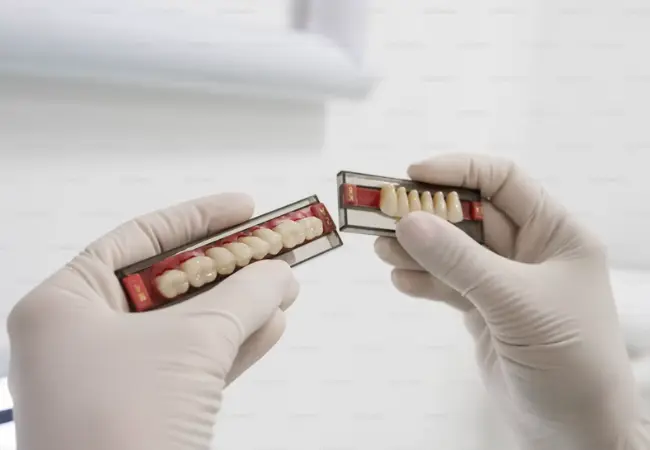
If your dentist has mentioned that you need a dental crown, you probably have a lot of questions right now, and not a lot of clear answers. What does a crown actually do? Which type is right for your tooth? What’s it going to cost you? And once it’s on, how long can you actually expect it to last? Now, we cover all of that, so you know exactly what to expect before you sit in the chair for dental crowns in Vancouver.
What Is a Dental Crown, and When Do You Need One?
A dental crown is a custom-made cap that fits over your entire tooth, from the gumline up, replacing the outer structure while your natural tooth root stays in place underneath. Think of it as a strong, protective shell that restores the shape, strength, and function of a tooth that’s too damaged for a regular filling to fix.
Your dentist may recommend a crown if you have:
- A cracked or fractured tooth
- A tooth with a large area of decay
- A tooth that’s worn down from grinding over the years
- A tooth after root canal treatment, since these teeth become more brittle over time
- A tooth with a large, aging filling that’s weakening the remaining structure
- A misshapen or severely discolored tooth you’d like to restore both function and appearance on
If a filling would leave too little of your natural tooth to support normal chewing, a crown is usually the more durable, longer-term solution.
Types of Dental Crowns
Not all crowns are made the same way, and the material your dentist recommends depends on where the tooth sits in your mouth, how much bite force it needs to withstand, and how much you care about it blending in seamlessly. Here are the main types of dental crowns you’ll likely be choosing between.
Porcelain Crowns
Porcelain crowns are prized for how closely they mimic the look of natural enamel, reflecting light in a similar way and matching your surrounding teeth almost seamlessly. They’re a popular choice for front teeth, where appearance matters most.
Zirconia Crowns
Zirconia is one of the strongest materials used in modern dentistry. It holds up extremely well under heavy bite forces, which makes it a common choice for molars, while newer high-translucency zirconia options can also look quite natural.
Porcelain-Fused-to-Metal (PFM) Crowns
These crowns combine a metal base for strength with a porcelain outer layer for a more natural appearance. They’re a reliable, time-tested option, though the metal base can occasionally show as a thin dark line near the gum over time.
Gold and Metal Alloy Crowns
Metal crowns are exceptionally durable and gentle on opposing teeth, making them a solid option for back molars where chewing force is highest and appearance matters less. They’re less commonly requested today, mostly for cosmetic reasons.
All-Resin Crowns
Resin crowns tend to be more affordable upfront, but they wear down faster and are more prone to fracture than porcelain, zirconia, or metal options, so they’re often used as a shorter-term or temporary solution rather than a permanent one. Your dentist will guide you through which material makes the most sense for your specific tooth, balancing strength, appearance, and cost.
Cost of Dental Crowns in Vancouver
Crown cost varies depending on a few key factors, so there isn’t one flat number that applies to every patient. What typically affects price includes:
- The material used, since zirconia and porcelain generally cost more than metal or resin
- Which tooth is being treated, as molars require more material and precision than front teeth
- Whether the tooth needs additional treatment first, such as a root canal or a build-up if there isn’t enough natural tooth structure remaining
- Whether it’s a same-day or lab-fabricated crown, since lab-made crowns typically involve a temporary crown in between visits
- Your dental insurance coverage
Because pricing depends so much on your specific tooth and material choice, the most accurate way to know your cost is a consultation, where your dentist can examine the tooth and give you an itemized quote before starting treatment.
The Dental Crown Procedure
Getting a crown is a fairly straightforward process, and most patients are surprised by how manageable it is. Here’s what it generally looks like.
- Exam and assessment. Your dentist examines the tooth, takes X-rays if needed, and confirms a crown is the right treatment.
- Tooth preparation. The tooth is reshaped to make room for the crown to fit over it securely.
- Impressions or digital scan. Your dentist captures the exact shape of your prepared tooth, so your crown can be custom-fabricated to fit.
- Temporary crown. While your permanent crown is being made, a temporary one protects the tooth in the meantime.
- Final placement. Once your custom crown is ready, your dentist checks the fit, shade, and bite, then bonds it permanently into place.
Most crowns take two appointments spaced a couple of weeks apart, though some clinics offer same-day crown options depending on the technology available.
How Long Do Dental Crowns Last?
With proper care, dental crowns typically last 10 to 15 years, and many last even longer. How long yours lasts depends on a few things:
- The material, since zirconia and metal tend to outlast porcelain or resin under heavy bite force
- Your oral hygiene habits, since the edge where your crown meets your natural tooth can still develop decay if it isn’t cleaned properly
- Grinding or clenching, which puts extra stress on a crown and can shorten its lifespan without a night guard
- Regular dental checkups, which catch small issues, like a loosening crown or new decay at the margin, before they become bigger problems
A crown failing usually isn’t about the material wearing out completely; it’s more often the seal at the edge breaking down, or the tooth underneath developing new issues over time. Keeping up with your regular cleanings is the simplest way to catch that early.
Dental Crowns at Stadium Dental in Vancouver
If you’re dealing with a cracked, worn, or heavily filled tooth, Stadium Dental can help you figure out whether a crown is the right fix and walk you through your material options clearly, without pushing you toward the most expensive choice by default.
Here’s what makes getting a dental crown at Stadium Dental easier:
- A full range of crown materials, including porcelain and zirconia, so your treatment is matched to the tooth rather than a one-size-fits-all approach
- In-house root canal and restorative care, so if your tooth needs treatment before the crown, you’re not bouncing between different clinics
- Sedation options for patients who feel anxious about dental visits, so you can stay relaxed through your appointments
- Direct billing to insurance, along with help understanding what your plan covers
- A multilingual team, including Mandarin, Cantonese, Punjabi, Russian, and Ukrainian, so you can ask questions comfortably in the language you’re most confident in
- A convenient downtown location at 178 Keefer Place, right next to the Stadium-Chinatown SkyTrain station, with free parking available
A damaged tooth rarely gets better by waiting, and the longer it goes untreated, the more likely it is to need more extensive work later. If something feels off with a tooth, it’s worth getting it looked at sooner rather than later.
Think you might need a dental crown? Book a consultation online or call us at 604-559-0299.
Frequently Asked Questions About Dental Crowns
How much do dental crowns cost in Vancouver?
Cost depends on the material used, which tooth is being treated, and whether additional work like a root canal is needed first. The most accurate way to know your cost is a consultation, since pricing varies from case to case.
What are the different types of dental crowns?
Common options include porcelain, zirconia, porcelain-fused-to-metal, gold or metal alloy, and all-resin crowns. Each has different strengths in terms of durability, natural appearance, and cost, and your dentist can recommend the best fit for your specific tooth.
How long do dental crowns last?
Most dental crowns last 10 to 15 years, and many last longer with good oral hygiene, regular checkups, and protection from grinding or clenching.
Is getting a dental crown painful?
No, the tooth is numbed with local anesthetic before it’s reshaped, so you shouldn’t feel pain during the procedure. Some mild sensitivity for a few days afterward is normal as your tooth and gum adjust.
What’s the difference between a crown and a filling?
A filling repairs a small area of decay or damage, while a crown covers the entire visible portion of the tooth. Crowns are typically used when there isn’t enough healthy tooth structure left for a filling to provide reliable, long-term support.
Can a dental crown fall off or come loose?
It’s uncommon, but it can happen if the cement weakens over time or if the tooth underneath develops new decay at the edge of the crown. If your crown ever feels loose or falls off, it’s important to see your dentist quickly to protect the tooth underneath.
Conclusion
A dental crown is one of the most reliable ways to save a damaged tooth and keep it functioning comfortably for years to come. The right material, a proper fit, and consistent care afterward all play a role in how long your crown lasts, but the process itself is far more routine and manageable than most people expect. If you’ve been told you need a crown, or you’re noticing a cracked, worn, or sensitive tooth, getting it assessed early is the best way to keep your treatment simple and protect your natural tooth underneath.