
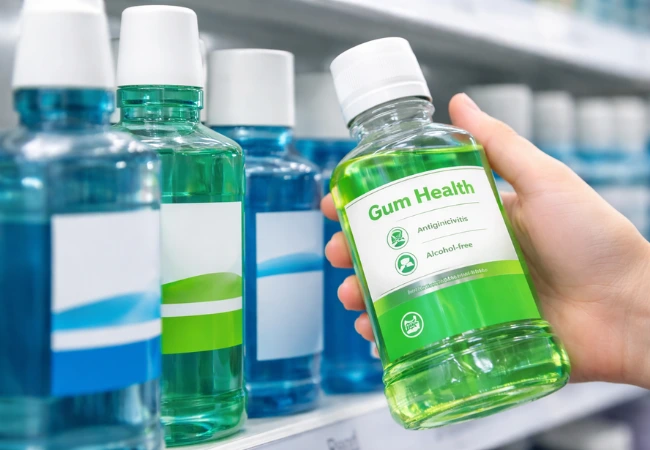
If you are trying to improve your gums, you may be asking a very practical question: how do you choose the right mouthwash for gum health? That is a smart question, but a lot of people approach it the wrong way. They pick the strongest-looking bottle on the shelf, assume burning means it is working, or use mouthwash as a substitute for brushing and flossing. That is a weak strategy.
The truth is simpler. The right mouthwash depends on why you need it. Some mouthwashes are meant to help reduce plaque and gingivitis. Others are mainly for fresh breath. Some are made for dry mouth. Some contain fluoride for cavity protection. And some are used more specifically for gum inflammation under a dentist’s direction. Therapeutic mouthrinses contain active ingredients meant to help control conditions like gingivitis, plaque, bad breath, and tooth decay. So if your real goal is healthier gums, you need to stop shopping by label hype and start choosing by function.
Why mouthwash matters for gum health
Mouthwash is not the foundation of gum health. It is the supporting tool. Your main defense against gum problems is still daily plaque removal through proper brushing and cleaning between your teeth. Mouthwash can help as part of that routine, especially if you are dealing with gingivitis, bleeding gums, or plaque buildup. Antimicrobial mouthrinses can help reduce plaque and gingivitis when used as part of a broader oral care routine, not instead of mechanical cleaning. That distinction matters because some people use mouthwash to compensate for weak brushing habits. It does not work that way.
Start with the actual gum problem you are trying to solve
Before you choose a mouthwash, ask yourself what is actually going on with your gums. If your gums bleed when you brush, look swollen, or feel sore, you may be dealing with gingivitis or another gum issue that needs attention. Gum disease often shows up as red, swollen, sore gums that bleed, and it should be checked by a dentist. That means the right mouthwash is not always the answer by itself. Sometimes the better answer is to address plaque buildup, improve flossing, or get a professional cleaning first.
Choose a therapeutic mouthwash, not just a cosmetic one
This is one of the biggest mistakes people make. A cosmetic mouthwash mainly masks bad breath. A therapeutic mouthwash is designed to do more. Therapeutic rinses are meant to help reduce or control plaque, gingivitis, bad breath, and decay. So if your goal is gum health, do not waste time on something that is only giving you a minty aftertaste.
Look for anti-gingivitis or antibacterial claims that are actually relevant
If you want a mouthwash for gum health, the label should match that goal. A useful gum-health rinse will usually position itself around gingivitis, plaque control, or antibacterial support. Products intended to help prevent and reduce gingivitis and plaque are more relevant to gum health than products focused only on freshness. That is a much better signal than vague language like deep clean or intense freshness.
Be careful with chlorhexidine
Chlorhexidine is one of the most recognized ingredients for gum inflammation, but that does not mean it is the best everyday choice for everyone. Chlorhexidine mouthrinse is used to treat gingivitis and can help reduce gum redness, swelling, and bleeding. But it does not prevent plaque and tartar from forming on its own, so brushing and flossing are still necessary.
That matters because some people hear prescription-strength and assume it is automatically the best option. It is not a universal daily rinse for all situations. It is more targeted and makes more sense when a dentist specifically recommends it.
Do not assume alcohol is better
A lot of people think a harsh, strong-feeling mouthwash must be more effective. That is lazy logic. If your gums are irritated or if your mouth tends to feel dry, a gentler rinse may make more sense. Alcohol-free options may be a better fit when sensitivity, inflammation, or dryness is part of the problem. This does not mean all alcohol-containing rinses are bad. It means a stronger feeling is not the same as being better for your gums.
If you have dry mouth, pick a rinse designed for that
Dry mouth changes the conversation. If your mouth is dry, a harsh rinse may make things feel worse. Mouthwashes designed for dry mouth, especially moisturizing rinses, can be useful when dryness is part of the issue. So if your gums feel irritated and your mouth feels dry, you may need a mouthwash chosen for comfort and moisture support, not only antibacterial action.
Timing matters too
Even the right mouthwash can be used badly. Using mouthwash straight after brushing can wash away the concentrated fluoride left by toothpaste. Using it at a different time can make more sense, especially if the rinse contains fluoride. This is one of those details people miss. They buy a decent product, then use it in a way that reduces its benefit.
Mouthwash should not replace brushing and flossing
This needs to be said clearly. If you are choosing a mouthwash for gum health, it should be part of your routine, not the whole routine. Proper brushing and flossing are still necessary and important. Mouthwash supports gum care, but it does not replace daily plaque removal. If your brushing is weak and your flossing is inconsistent, changing mouthwash brands is not the real fix.
How to tell if your mouthwash is actually helping
Do not judge a mouthwash by taste, foam, or how dramatic it feels. Judge it by whether your gums are improving. If bleeding is reduced, your gums look less inflamed, and your mouth feels cleaner without extra irritation, that is a better sign than a strong mint burn. If your gums stay red, swollen, sore, or continue to bleed regularly, it is time to stop guessing and get them checked. Persistent bleeding or swelling should not just be self-managed indefinitely.
What to focus on beyond mouthwash
Mouthwash can help, but gum health is still built on the basics. If you want healthier gums, you need to brush properly, clean between your teeth daily, reduce plaque buildup, and deal with early signs of gum irritation before they get worse. The rinse can support that process, but it cannot carry the whole job by itself.
What we tell patients at Stadium Dental
At Stadium Dental, we do not tell patients to rely on mouthwash alone for gum health. We treat it as one part of a bigger strategy. When patients ask us how to choose the right mouthwash for gum health, we usually start with the same basic questions: Are your gums bleeding? Are they swollen? Are you dealing with plaque buildup, dry mouth, or bad breath? Are you trying to support daily prevention, or are you trying to calm down active gum irritation?
From there, we help patients understand what fits their situation. We also provide the bigger picture through services that matter just as much as the rinse you use, including exams and X-rays, professional cleanings, gum-focused care, fillings, crowns and bridges, implants, sedation options, and general preventive dentistry. Stadium Dental’s oral hygiene and bleeding gums content also emphasizes daily care, gum-health support, and professional treatment when needed. Our goal is not just to help you buy a better mouthwash. It is to help you build a routine and care plan that actually improves your gums.
FAQ: How to Choose the Right Mouthwash for Gum Health
What type of mouthwash is best for gum health?
A therapeutic mouthwash aimed at reducing plaque or gingivitis is usually more relevant than a cosmetic mouthwash made only for fresh breath.
Is chlorhexidine the best mouthwash for gum disease?
Not automatically. It is useful for treating gingivitis and reducing gum redness, swelling, and bleeding, but it is not a replacement for brushing and flossing and is not the right everyday rinse for every person.
Should you use mouthwash right after brushing?
Not always. Using it straight after brushing can reduce the fluoride benefit left behind by toothpaste.
Is alcohol-free mouthwash better for gums?
It can be a better option if your gums are irritated or your mouth feels dry.
Can mouthwash cure gum disease on its own?
No. Mouthwash can support gum care, but it does not replace brushing, flossing, or professional dental treatment when needed.
How do you know if you need a dentist instead of a new mouthwash?
If your gums stay red, swollen, sore, or continue to bleed regularly, you should get them checked instead of relying only on a rinse.
Conclusion
If you want to know how to choose the right mouthwash for gum health, the smartest answer is this: choose a rinse based on your actual gum issue, not the strongest label on the shelf. Pick a therapeutic mouthwash if your goal is plaque or gingivitis control. Consider alcohol-free options if irritation or dryness is part of the problem. Be careful with chlorhexidine and use it appropriately. Do not use mouthwash straight after brushing if that reduces fluoride benefit. And most importantly, stop treating mouthwash as a replacement for proper brushing, flossing, and professional care.