
If a tooth has been throbbing, aching, or reacting sharply to hot and cold lately, you’re probably here for one reason. You want to know whether you need a root canal, what it costs, whether it hurts, and whether pulling the tooth might be easier. Those are fair questions, and the answers matter, because the choice you make now affects your comfort, your budget, and your smile for years to come. This article walks you through everything you need to know about root canal treatment in Vancouver, so you can go to your appointment feeling prepared instead of anxious.
What Is a Root Canal, and Why Would You Need One?
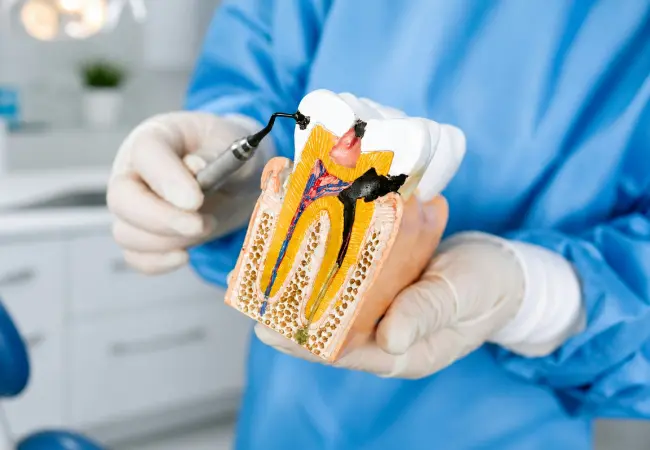
Inside every tooth, underneath the hard enamel and dentin, sits a soft core called the pulp. It contains nerves and blood vessels that help your tooth grow, but once your tooth is fully developed, the pulp isn’t essential for the tooth to keep functioning normally.
When bacteria reach that pulp, usually through a deep cavity, a crack, or repeated dental work on the same tooth, it can become infected or inflamed. That’s when a root canal comes in. Your dentist removes the infected pulp, cleans out the inside of the tooth, and seals it up, so the outer structure of your tooth stays intact and you keep your natural tooth instead of losing it.
Signs You Need a Root Canal
Sometimes it’s obvious. Sometimes it isn’t. Here are the most common signs that point toward needing a root canal rather than a simple filling.
- Persistent or throbbing tooth pain, especially pain that lingers well after you eat or that wakes you up at night
- Sharp sensitivity to hot or cold that doesn’t fade quickly after the temperature is gone
- Pain when you bite down or chew, particularly if it’s sharp rather than dull
- Swelling or tenderness in the gum near a specific tooth
- A small pimple-like bump on the gum (this can be a sign of infection draining)
- Darkening or discoloration of a single tooth compared to the ones next to it
- A tooth that feels loose
It’s worth knowing that some infected teeth don’t hurt at all, especially in the early stages, which is exactly why regular checkups and X-rays matter. If you’re noticing any of these signs, it’s best not to wait it out, since untreated infections can spread and lead to more serious complications.
Is a Root Canal Painful?
This is probably the question weighing on you the most, and here’s the honest answer. Modern root canal treatment is not the painful experience it used to have a reputation for. Your dentist numbs the area thoroughly with local anesthetic before starting, so you shouldn’t feel sharp pain during the procedure itself. Most people describe it as feeling similar to getting a deep filling.
What actually causes pain, in most cases, is the infection itself, not the treatment. In fact, many patients feel real relief once the infected pulp is removed, since that’s often what was causing the pressure and throbbing in the first place. Some mild soreness or sensitivity for a few days afterward is normal, especially as the area heals and your bite adjusts. This is usually manageable with over-the-counter pain relief and tends to fade within a few days.
Root Canal Cost in Vancouver
Root canal cost depends on a few factors, so it’s difficult to give one flat number that applies to everyone. The main things that affect price include:
- Which tooth is being treated. Front teeth generally have a simpler root structure than molars, which often have multiple canals and take more time to treat
- The complexity of the infection or damage
- Whether you need a crown afterward, which is common for back teeth to protect them from future fractures, since a tooth becomes more brittle after a root canal
- Your dental insurance coverage, if you have it
Because pricing varies so much based on the tooth and your specific case, the most accurate way to know your cost is a consultation, where your dentist can examine the tooth, take an X-ray, and give you a clear, itemized estimate before any work begins.
Root Canal vs Tooth Extraction: Which Is Better?
When a tooth is infected, you generally have two options: save it with a root canal, or remove it entirely. Both are valid treatments, but they come with very different trade-offs.
Root canal treatment:
- Keeps your natural tooth in place
- Preserves your natural bite and jawbone structure
- Usually requires a crown afterward for long-term strength, especially on back teeth
- Tends to cost more upfront than a simple extraction, but avoids the added cost of tooth replacement later
Tooth extraction:
- Removes the source of infection completely
- Is often a quicker, simpler procedure upfront
- Leaves a gap that can shift your remaining teeth over time if not replaced
- Requires a replacement option like an implant or bridge to restore full chewing function, which adds cost and time down the road
For most people, saving the natural tooth with a root canal is the preferred option whenever it’s realistically possible, since your natural tooth almost always functions better long term than a replacement. Extraction tends to be recommended when the tooth is too damaged to save, when the root structure makes a root canal unlikely to succeed, or when a patient has other reasons for choosing removal. Your dentist will tell you which options make the most sense based on the specific tooth, the extent of the damage, and your overall goals.
Root Canal Treatment in Vancouver: Stadium Dental
If you’re dealing with tooth pain and unsure what’s causing it, Stadium Dental can help you figure out what’s going on and will help you with different options clearly, without pressure.
Here’s what makes root canal treatment at Stadium Dental easier:
- Thorough diagnosis with digital X-rays, so you understand exactly what’s happening inside the tooth before deciding on treatment
- Sedation options available for patients who feel anxious about dental work, so you can stay calm and comfortable
- Crown placement available in-house if your tooth needs one after treatment, so you’re not bouncing between multiple clinics
- Direct billing to insurance, along with help understanding what your plan covers
- A multilingual team, including Mandarin, Cantonese, Punjabi, Russian, and Ukrainian, so you can explain your symptoms clearly in the language you’re most comfortable with
- A convenient downtown location at 178 Keefer Place, right beside the Stadium-Chinatown SkyTrain station, with free parking available
Tooth pain rarely gets better on its own, and waiting often makes treatment more complicated. If something feels off, it’s worth getting it checked before it turns into a bigger problem.
Have tooth pain that won’t go away? Book a consultation online or call us at 604-559-0299.
Frequently Asked Questions About Root Canal Treatment
How much does a root canal cost in Vancouver?
Cost depends on which tooth is being treated, the complexity of the infection, and whether a crown is needed afterward. The most accurate way to know your cost is a consultation and X-ray, since pricing varies from case to case.
What are the signs you need a root canal?
Common signs include persistent or throbbing tooth pain, sharp sensitivity to hot or cold, pain when biting down, swelling near a specific tooth, a bump on the gum, and darkening of a single tooth. Some infections don’t cause noticeable pain, which is why regular checkups matter.
Is a root canal painful?
Not during the procedure itself, since the area is fully numbed beforehand. Most of the pain people associate with root canals actually comes from the infection, not the treatment. Mild soreness for a few days afterward is normal and usually manageable with over-the-counter pain relief.
Is a root canal better than a tooth extraction?
In most cases, saving your natural tooth with a root canal is preferred, since a natural tooth generally functions better long-term than a replacement. Extraction is usually recommended only when the tooth is too damaged to save or when the root canal is unlikely to succeed.
How long does a root canal take?
Most root canals take one to two appointments, depending on the tooth and the complexity of the infection. Molars with multiple canals typically take longer than front teeth.
Do you need a crown after a root canal?
Often, yes, especially for back teeth. A tooth becomes more brittle after a root canal since it no longer has its blood supply, so a crown helps protect it from cracking under normal chewing forces.
Conclusion
A root canal isn’t something to fear. It’s a routine, well-understood procedure designed to relieve pain and save your natural tooth, not cause more discomfort. If you’re noticing sensitivity, swelling, or ongoing pain in a specific tooth, the best move is to get it checked early, since catching an infection sooner usually means a simpler treatment and a better outcome. Whether a root canal or an extraction ends up being the right path for you, having a clear diagnosis and an honest conversation with your dentist is the best place to start.