
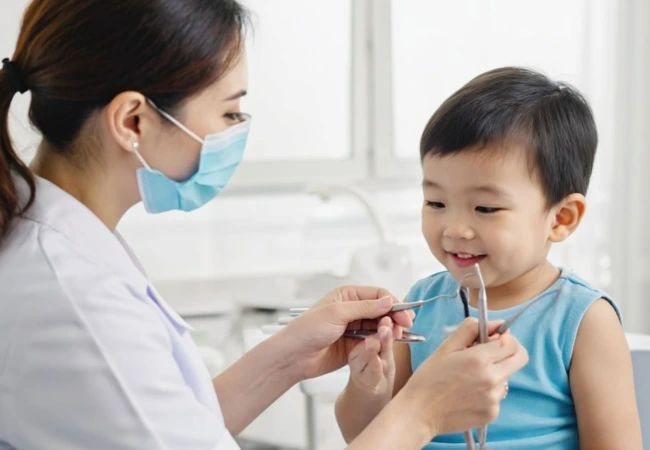
In most cases, a loose baby tooth is a normal part of growing up. Baby teeth usually begin to loosen because the permanent tooth underneath is pushing up and slowly dissolving the root of the baby tooth. Children commonly start losing baby teeth around age 6, though it can happen a bit earlier or later.
That said, not every loose tooth should be ignored. A loose baby tooth caused by normal development is one thing. A loose tooth caused by an injury, infection, or swelling is different. Knowing the difference is what helps you decide whether to wait, help, or call the dentist.
When a loose baby tooth is normal
A loose baby tooth is usually normal when your child is in the age range where baby teeth naturally begin to fall out, and there is no major pain, swelling, or injury involved. The first baby teeth to loosen are often the lower front teeth, followed by the upper front teeth. This is part of the normal transition from primary teeth to permanent teeth. If the tooth is only mildly loose, your job is usually simple. Let the process happen. You do not need to rush it.
Let your child wiggle it gently
If the tooth is loose from normal growth, the best approach is usually to let your child wiggle it gently with a clean finger or their tongue. That helps the tooth loosen gradually without forcing it before it is ready. Pulling too early can cause pain and bleeding and may leave part of the root behind if the tooth is not ready to come out. Guidance around normal tooth loss and pediatric dental development supports allowing natural exfoliation rather than forcing removal too early.
So if your child keeps touching the tooth a little, that is usually fine. If you are thinking about yanking it out yourself before it is very loose, that is where you should slow down.
Do not force it out before it is ready
This is one of the biggest mistakes parents make. If the tooth is only slightly loose and still clearly attached, do not pull it just because it is “time.” A tooth that is ready usually comes out with very little resistance. A tooth that still needs force is usually not ready.
This matters because the normal process is designed to be gradual. If you override that process too early, you create pain and unnecessary stress for your child. That is not helping. That is rushing.
Keep the area clean
A loose baby tooth can make brushing feel awkward, but this is not the time to stop oral hygiene. You should still help your child brush carefully around the area and keep up with regular brushing using fluoride toothpaste. Good daily cleaning matters because plaque and food buildup around a loose tooth can irritate the gums or make the area feel worse. Pediatric oral-care guidance consistently emphasizes brushing twice daily with fluoride toothpaste as soon as teeth are present. That means gentle brushing is better than avoidance.
Offer soft foods if the tooth is very loose
If the tooth is hanging on and your child says chewing feels strange, softer foods can make things easier for a day or two. This is not because a loose baby tooth is dangerous. It is because a very loose tooth can feel uncomfortable when biting into hard foods. If your child is bothered by it, softer foods are a practical, temporary adjustment. You do not need a full diet plan. You just need to stop making the sore spot do extra work.
What to do if the tooth comes out
If the tooth falls out on its own or comes out easily after gentle wiggling, that is usually the end of the story. A little bleeding can happen, and that is usually normal. You can have your child bite gently on clean gauze or a clean cloth for a short time if needed. The area should settle as a clot forms. Basic post-extraction guidance for children supports gentle pressure with gauze when minor bleeding happens. You do not need to do anything dramatic. Keep the area clean and let it heal.
When you should call the dentist
A loose baby tooth is not something to just “watch and wait” forever if it comes with other warning signs. You should contact a dentist if the loose tooth is related to a fall or injury, if your child has swelling, ongoing pain, signs of infection, or if the tooth looks pushed out of place rather than simply loosening naturally. Dental trauma guidance for children advises prompt dental assessment when a tooth is loosened, displaced, or injured.
You should also call if a baby tooth seems loose far earlier than expected or if something about the eruption pattern does not seem right. Early loss of baby teeth can affect spacing and future alignment in some cases.
What not to do
There are a few things you should avoid when your child has loose baby teeth.
- Do not force the tooth out if it is not very loose.
- Do not twist aggressively with tissue or string just because the tooth looks ready.
- Do not ignore pain, swelling, or trauma.
- Do not put a knocked-out baby tooth back into the socket if it comes out from injury, because that can affect the developing permanent tooth underneath.
That last point matters. A naturally loose baby tooth is one situation. A baby tooth knocked out by trauma is a different one.
What if the loose tooth is from an injury?
If your child’s baby tooth became loose after a bump, fall, or sports injury, treat that differently from normal tooth loss.
A child with dental trauma should be assessed by a dentist as soon as possible so the injury can be properly checked. Trauma guidance for children specifically says that loosened or displaced teeth after injury should be evaluated promptly. This is where parents sometimes make a bad assumption. They see “loose tooth” and think “it was going to fall out anyway.” That is not always true.
What we focus on at Stadium Dental
At Stadium Dental, we help parents figure out whether a loose baby tooth is part of normal development or something that needs closer attention.
We provide children’s dentistry, exams and X-rays, emergency dental care, cleanings, fillings, sedation options, and family dental care, so if your child’s loose tooth turns out to be more than a normal wiggle, we can assess the full picture and guide the next step. Our children’s dentistry page also notes that the clinic handles dental emergencies, welcomes new patients, and provides direct billing to insurance.
When parents bring a child in for a loose tooth, our goal is not only to look at the tooth itself. We also look at comfort, timing, eruption, space, and whether there has been trauma or a bigger issue developing underneath. We want to help you know when to let nature take its course and when it is smarter to step in.
FAQ: What to Do When Your Child Has Loose Baby Teeth
Is it normal for baby teeth to get loose?
Yes. Baby teeth normally loosen when the permanent teeth underneath begin to come in, and the roots of the baby teeth gradually dissolve. Children often begin losing baby teeth around age 6.
Should you pull out a loose baby tooth?
Usually, no. Let your child wiggle it gently and wait until it is very loose. Pulling too early can cause pain and bleeding. This is consistent with the normal process of tooth exfoliation and eruption management.
What should a child do if a loose baby tooth hurts?
Mild tenderness can happen, but if there is significant pain, swelling, or signs of trauma, it should be checked by a dentist.
What if a loose baby tooth starts bleeding?
A little bleeding can be normal when a tooth comes out. Gentle pressure with clean gauze or cloth is usually the first step.
What if the tooth became loose after a fall?
That should be treated as dental trauma, not just normal tooth loss. A dentist should assess it as soon as possible.
Can losing a baby tooth too early cause problems?
It can. Early loss of primary teeth can sometimes lead to space loss and crowding issues later, depending on the tooth and timing.
Conclusion
If you are wondering what to do when your child has loose baby teeth, the best answer is usually simple: stay calm, let the tooth loosen naturally, keep the area clean, and do not force it out before it is ready. Most loose baby teeth are a normal part of growing up. But if the tooth is loose because of trauma, or if there is pain, swelling, or something clearly unusual, that is when it makes sense to get it checked.